
Traveling in Someone Else’s Life
Words Ashley Bowling | Photos Will Bowling & Boena
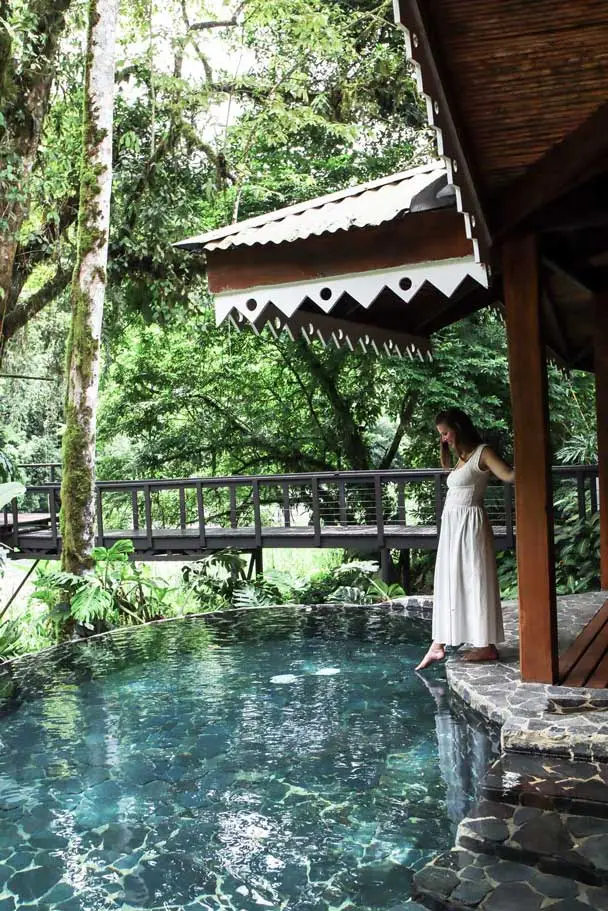
In this part of Costa Rica, lives are being lived, not in concrete, but in a billion brilliant shades of green. Water flows everywhere. It gathers in rivers, curls through canals, drops from waterfalls, and slicks jungle leaves until everything glistens like it just got a shiny new coat of paint. Bright laundry hangs on lines, floating in the breeze. Mopeds climb bumpy mountain roads like mountain goats. Flat bottom boats return with the day’s catch. Turtle conservation and jaguar sightings are perfectly normal topics of conversation.
The hustle and bustle are gone, screens are removed, and you’re left with a love for your surroundings. This is an endearing way of life, what it means to live by pura vida.
Not the kind printed on a souvenir tee or coffee mug. This is the actual living, breathing, mud-on-your-rubber-boots version. This escape lends itself to a way of moving through the world that asks you to slow down long enough to notice that a sloth is not lazy; it’s simply committed to work-life balance.
Every time someone asks where to stay in Costa Rica, the answer feels both easy and impossible. Easy, because almost everywhere is beautiful. Impossible, because every region seems to have its own personality. The beaches flirt. The volcanoes brood. The rivers roar with life. The mountains remain mysterious. And the rainforests steal the show, refusing to apologize about it.
But if the goal is to feel fully dropped into the living, breathing heart of the country, two lodges rise above the canopy: Pacuare Lodge, tucked along the rapids of Rio Pacuare in the Talamanca Mountains, and Tortuga Lodge, settled on the watery edge of Tortuguero National Park. Together, they offer a Costa Rican adventure that is part jungle daydream, part wildlife documentary, part “how did I end up waking up at 5am every morning and loving it?”
They are not simply places to stay. They are places that insist you arrive differently.
Wellness on the Wild Side at Pacuare Lodge
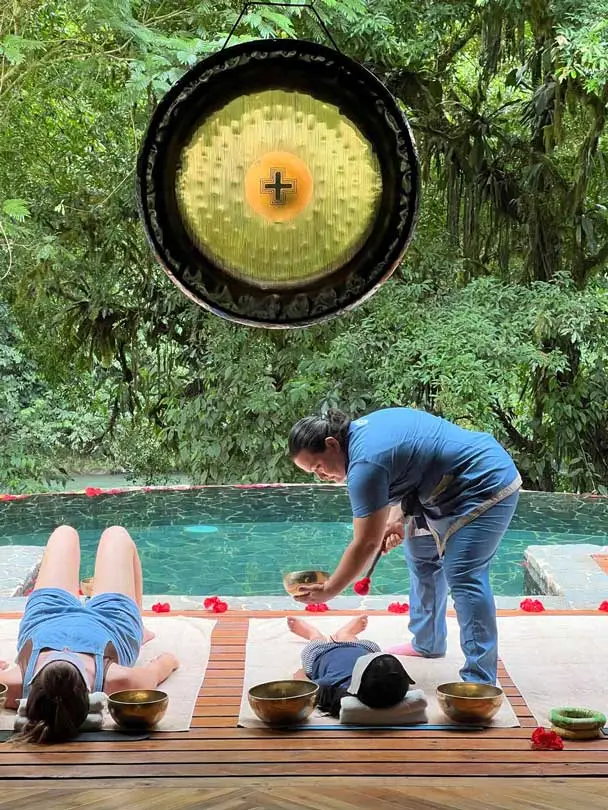
The lodge’s wellness experiences are inspired by the Pacuare River and Cabécar traditions, including water meditation, cryotherapy, and ancestral-inspired rituals that invite guests to slow down and reconnect. Sound bath, nature-led rituals, and quiet spaces throughout the property lean into the natural rainforest acoustics already doing most of the work to ensure you feel grounded.
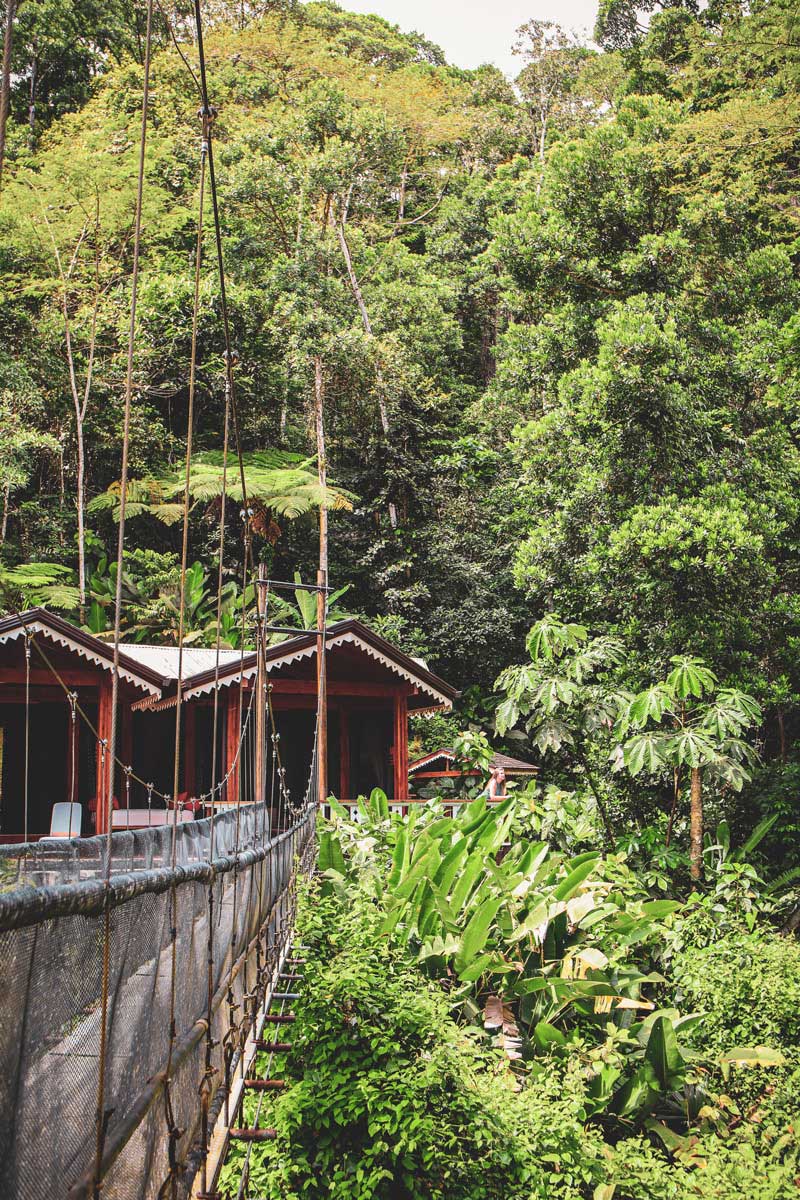
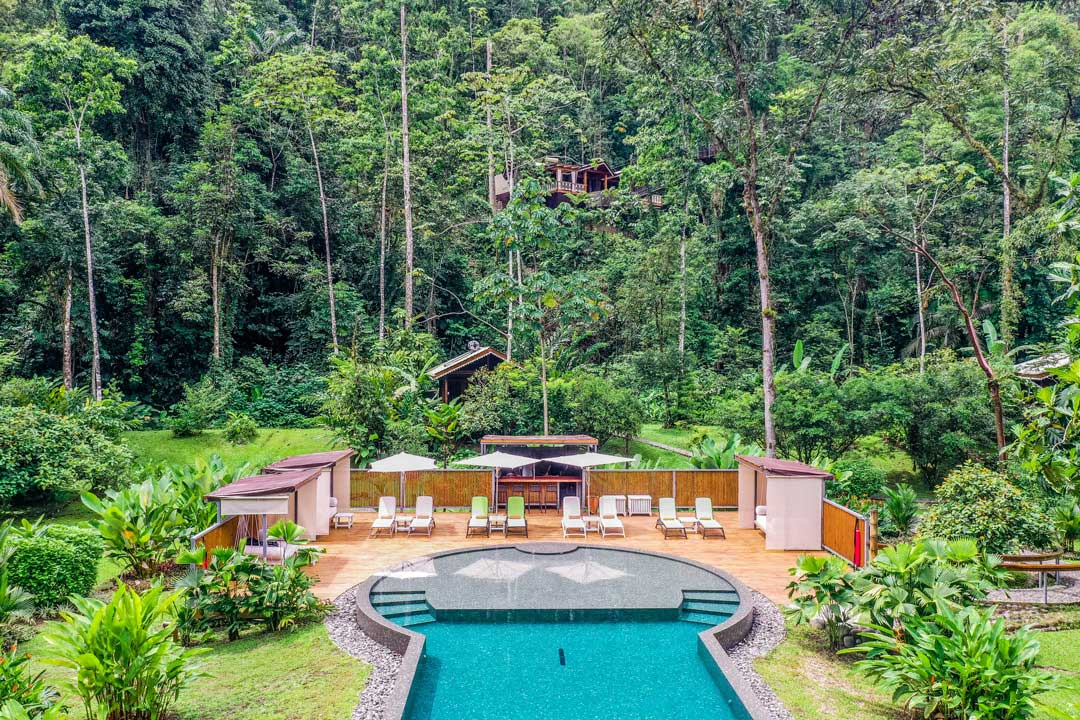
At Pacuare Lodge, you do not just pull up and valet your luggage. You raft in. The journey begins on Rio Pacuare, where the river does not so much welcome you as toss a little whitewater confetti in your face. The lodge is not accessible on your own, which is a pretty good first clue that this is not a “park by the lobby and wheel my luggage up to my room” kind of place. Guests reach the property through guided transfers, including whitewater rafting depending on river levels and safety conditions. Pacuare Lodge sits inside a 690-acre private reserve with only 20 luxury villas, built with architecture inspired by its neighboring Indigenous Cabécar people.
Translation: You have officially left civilization.
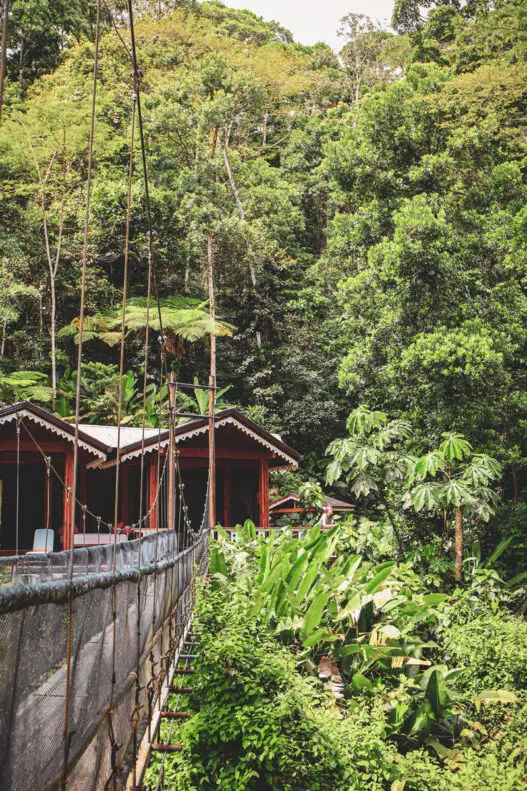
The river is the front door, the jungle is the hallway, and your villa comes with its own sleepy soundtrack. No need for a white noise machine here. The rainforest has already composed an entire album, featuring rushing water, distant bird calls, the occasional monkey opinion, and the soft percussion of rain tapping leaves the size of serving platters.
Everything drips with life. Vines swing from trees like they’re waiting for a Tarzanscene to sweep them away. Ferns unfurl in every direction. Fog settles into the mountain folds, adding layers of mystery to a place that already feels like it knows more than it’s telling.
At Pacuare Lodge, adventure is not an add-on. It is the itinerary.
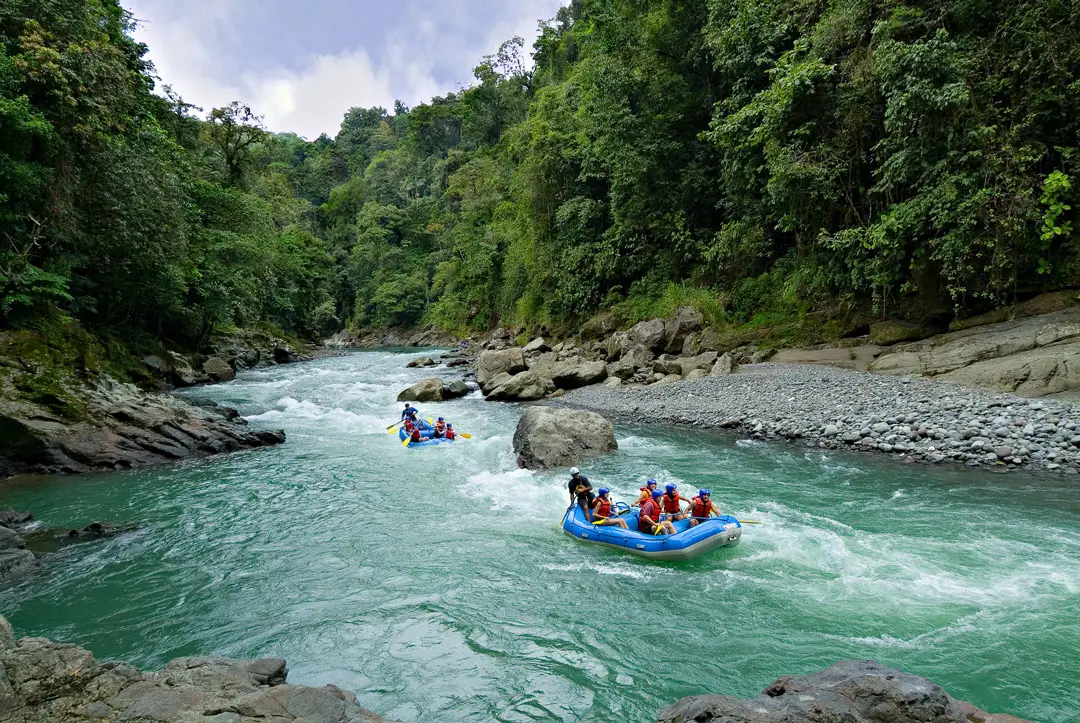
Whitewater rafting through Rio Pacuare is the headline act, with rapids winding through rugged canyons and tropical forests. The lodge also offers canopy adventures, canyoning, birding, nature experiences, and rappelling excursions that take guests into the wild in the most literal sense.
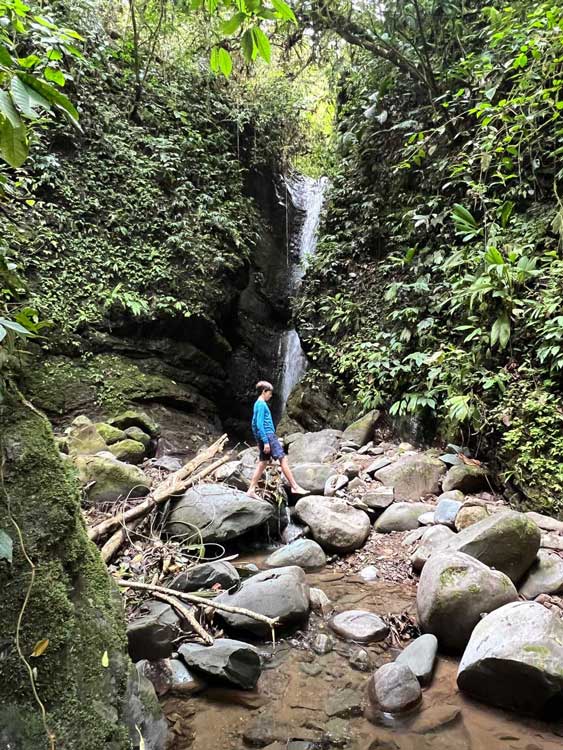
One moment you’re being served dinner by candlelight, and the next you’re rappelling down a waterfall wondering why you packed three white linen shirts and zero water shoes. There is something wonderfully ridiculous about lowering yourself down a wet rock face while water rushes beside you, then standing beneath the falls as though you meant to be that brave all along. It is refreshing. It is loud. It is exhilarating. It is the kind of activity that makes your kids look at you with either newfound respect or mild concern when you step under a waterfall like it’s the best shower you’ve ever had.
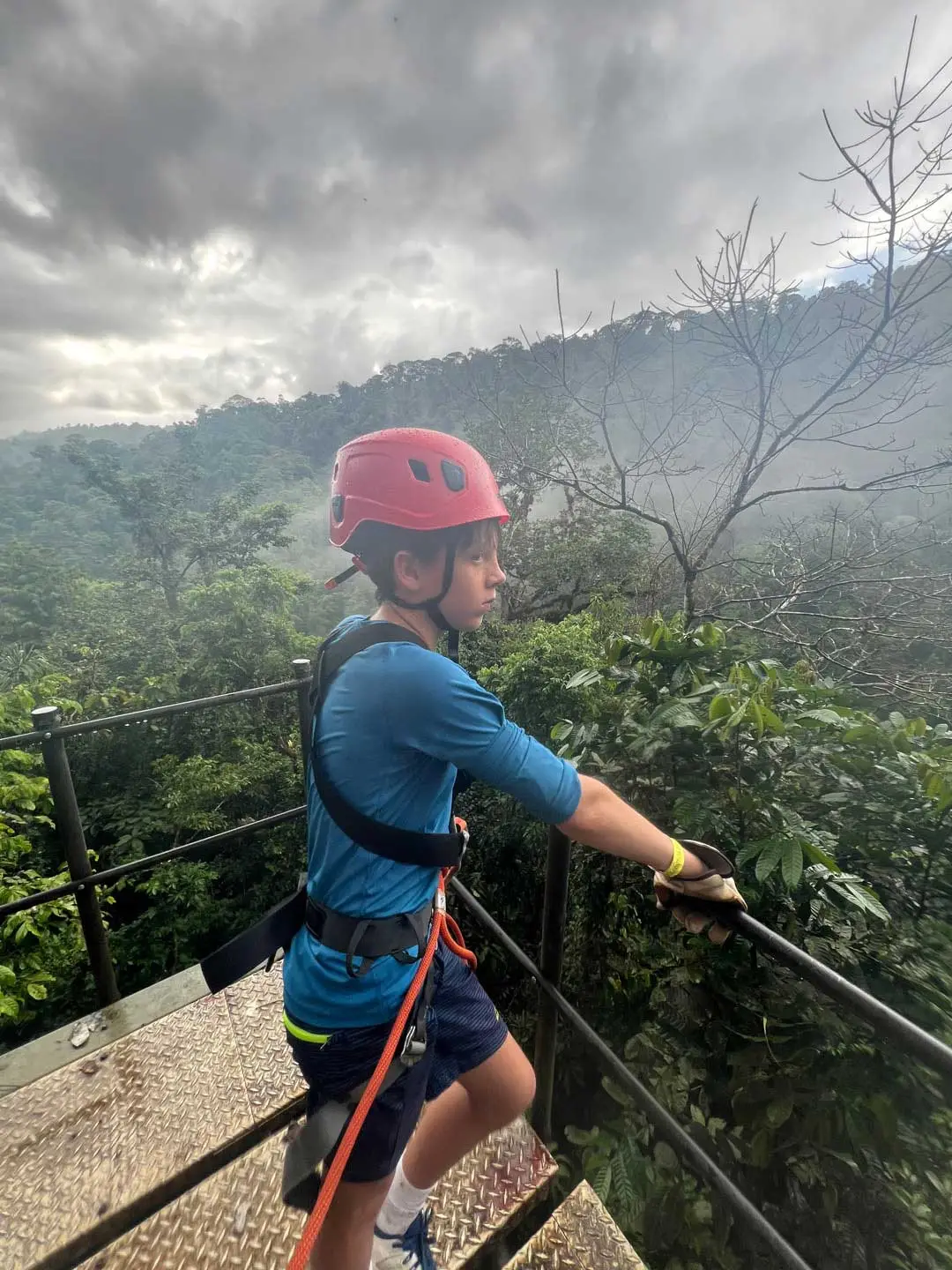
The zip line whizzes you through the jungle canopy with the grace of a toucan and the facial expression of someone who may or may not have read the waiver very closely. (Only kidding, it’s completely safe!) From above, the trees stack themselves into endless layers. The winding river flashes below, and the mountains roll out in the distance. For a few seconds at a time, you feel weightless as if you’re a macaw making a grand entrance.
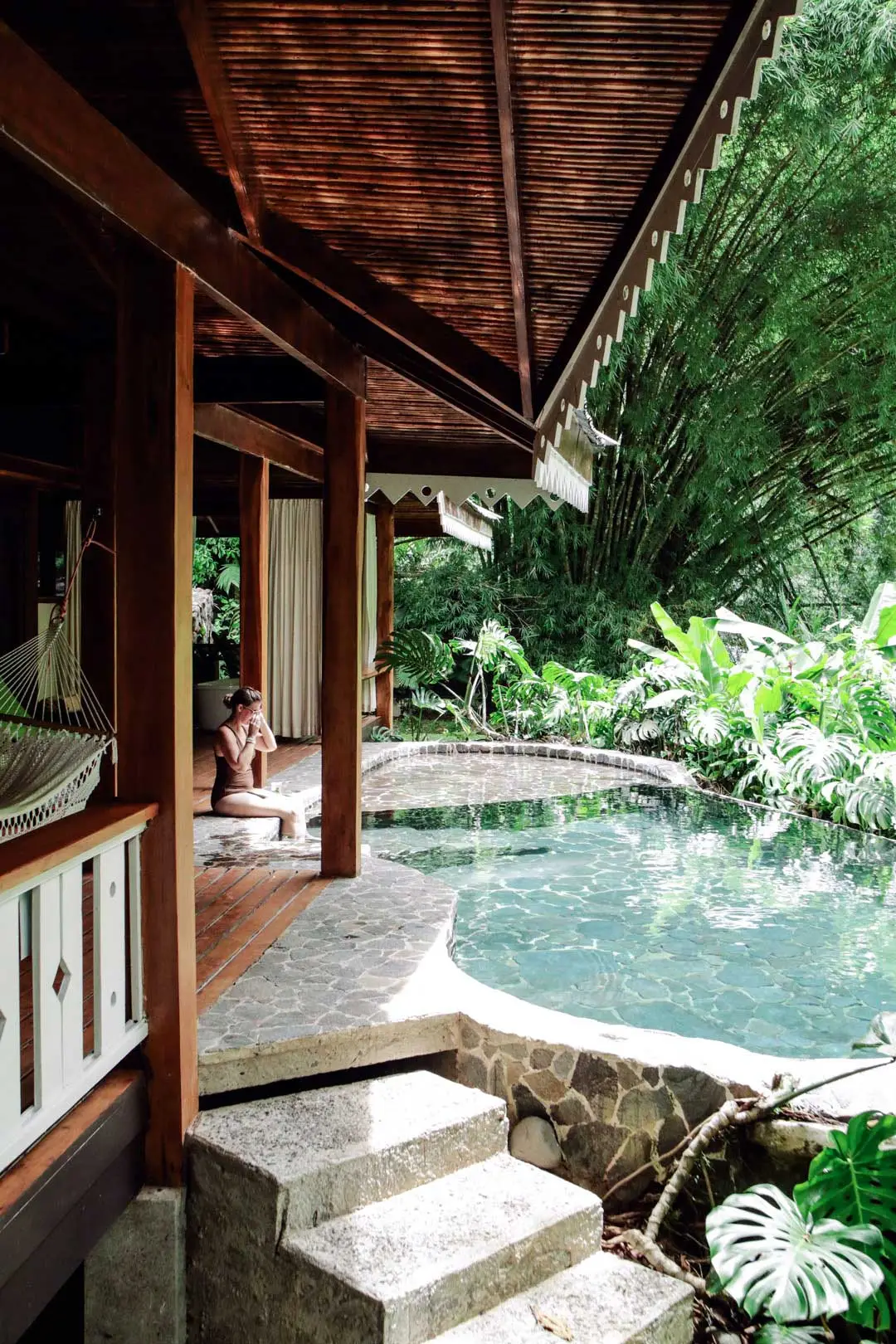
And yet, for all the adrenaline, Pacuare Lodge is just as much about stillness. The kind of stillness that sneaks up on you after lunch, when the heat settles in, the river hums beside your hammock nap, and everyone in the villa accidentally gets quiet at the same time. Some villas include private plunge pools, where you can sit half-submerged and pretend you’re reading while actually staring into the jungle for signs of movement. Undoubtedly, a leaf wiggles. A bird darts. A lizard appears. Magically, in the quiet, there is life everywhere you look. This is the charm of a place like Pacuare Lodge. It even makes doing nothing feel like participation.
There is also a deeper kind of respect built into the experience. Pacuare Lodge emphasizes conservation, cultural connection, and low-impact luxury, with its protected reserve, limited number of bungalows, and design incorporating the Cabécar people. The result is not a lodge trying to conquer the jungle, but one resting quietly inside it. That distinction matters.
Costa Rica’s beauty can make it tempting to talk only in superlatives: most lush, most alive, most jaw-dropping. But the best lodges understand that nature is not a backdrop. It does not exist to decorate the vacation. It is the reason the vacation exists.
At Pacuare Lodge, the rainforest is not curated. It is respected. The river is not a prop. It is a force. And the Indigenous community connected to the land are not footnotes. They are part of the story, one to be approached with humility, gratitude, and a willingness to listen more than speak.
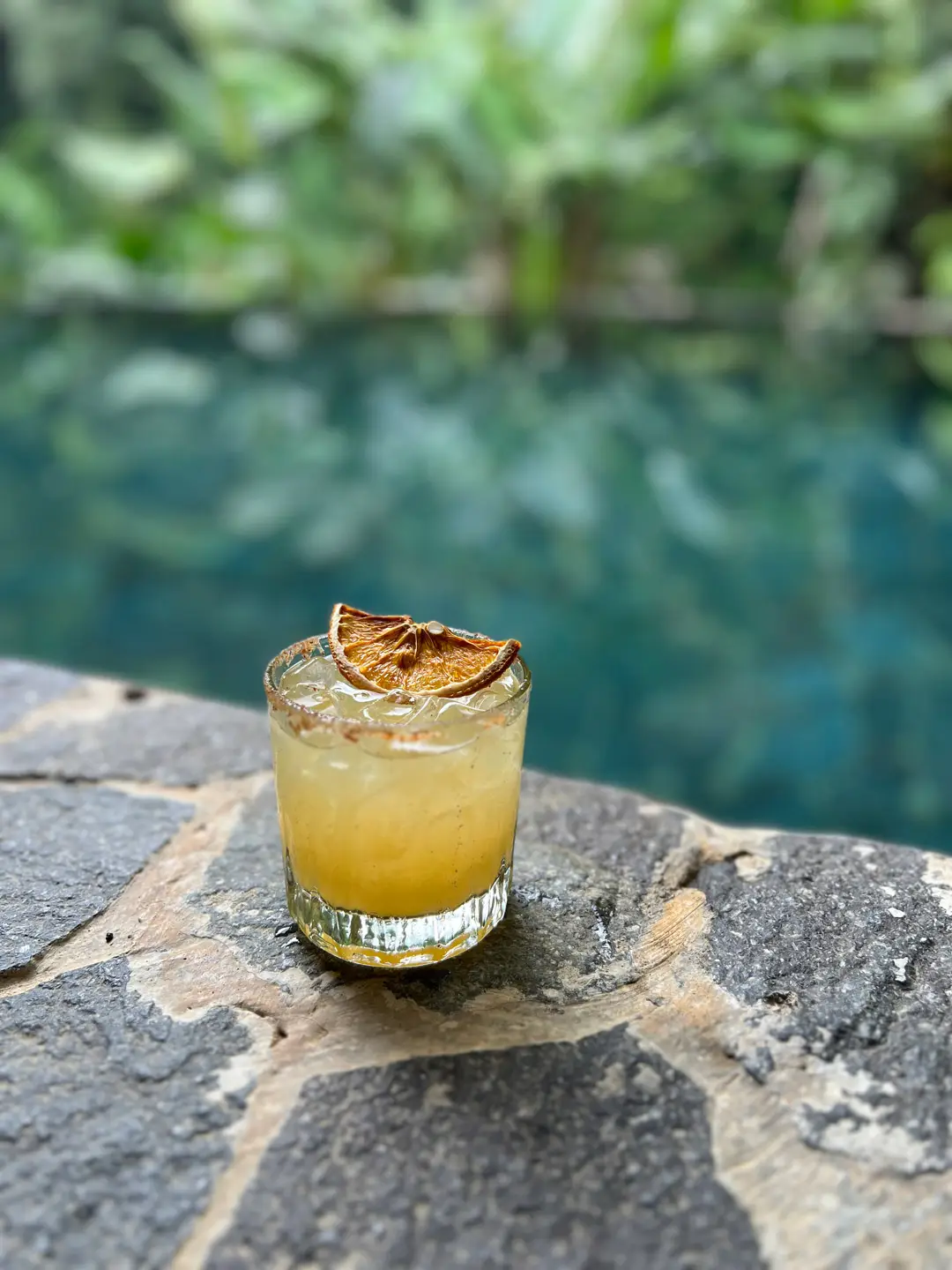
Which, for some, is the real adventure.
River-to-Table, Jungle-to-Heart: Pacuare Lodge’s Food
This culinary program is rooted in seasonal, locally sourced ingredients that reflect Costa Rica’s Caribbean region. Meals are designed to support nearby producers while giving guests a strong sense of place. Expect fresh produce and herbs grown locally, tropical flavors and food that feels connected to the rainforest rather than flown in to impress it. It is no wonder they’ve earned two Michelin keys.
Tortuga Lodge shifts the scene from rapids to canals, from “hold on tight” to “look a little closer” from “luxurious villas” to “quiet staterooms.”
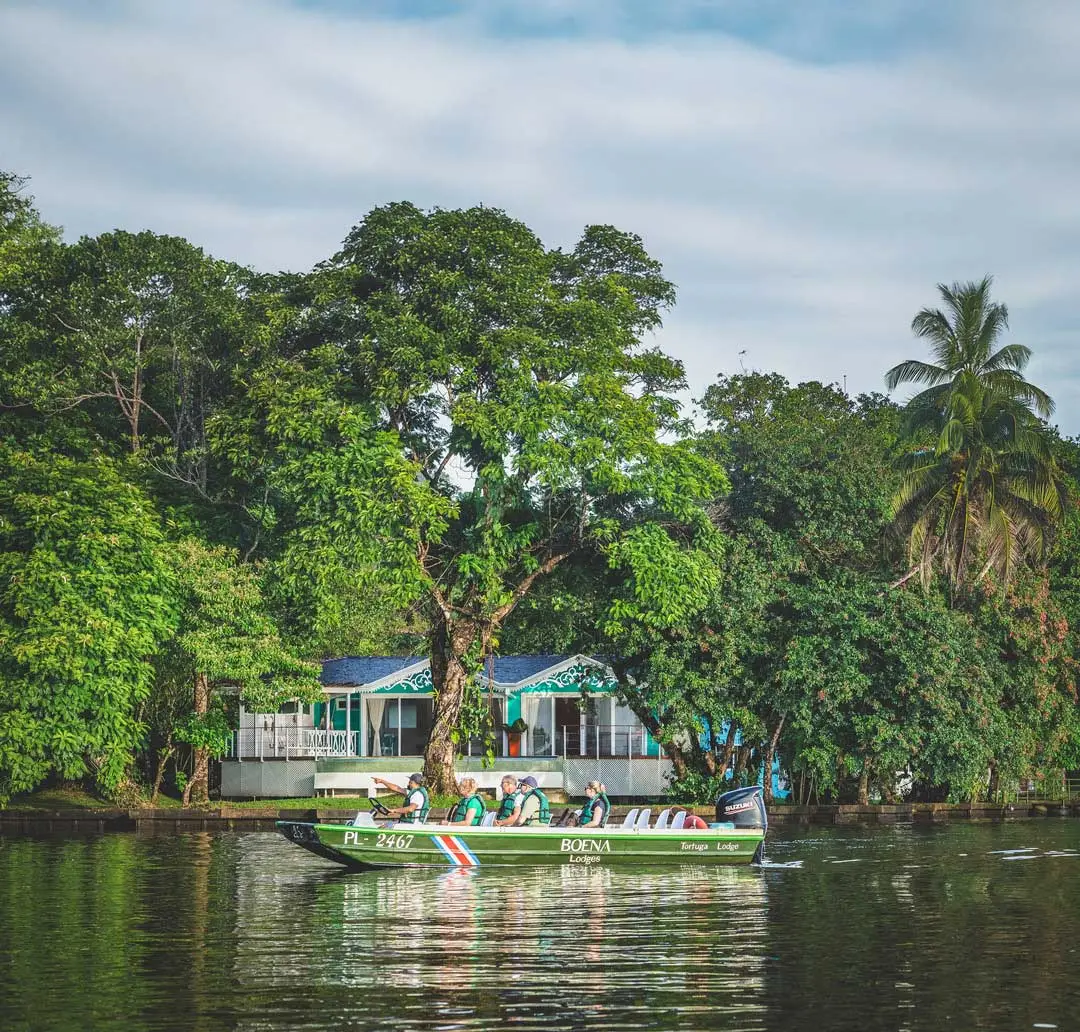
Arriving at Tortuga Lodge feels like entering Costa Rica through a secret side door. Located along Rio Tortuguero, the lodge is reached by boat through a watery maze of jungle and national park scenery. Tortuga Lodge’s river package describes the arrival as a journey by boat through lush lowland jungle and glassy canals, leading to the eco-lodge on the Tortuguero Canal. This is not a drive-up destination, but a float-in, camera-ready, everyone-gets-quiet destination.
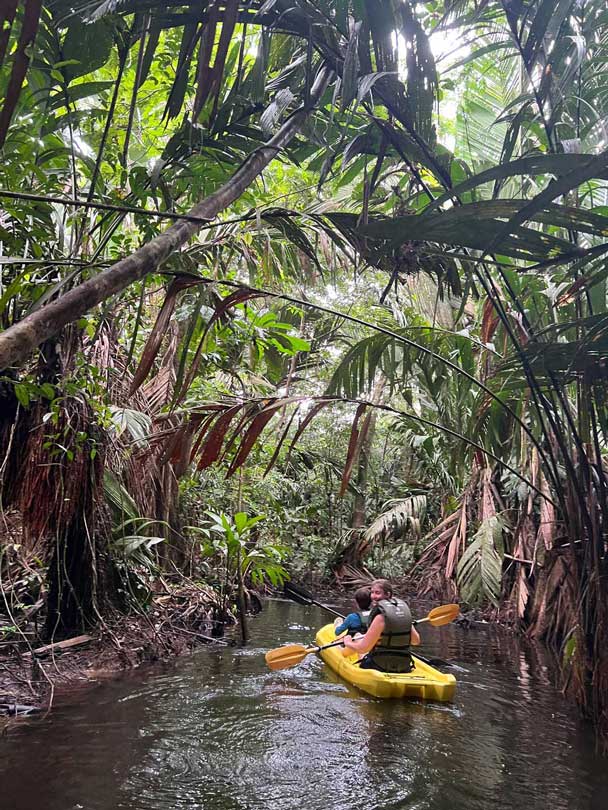
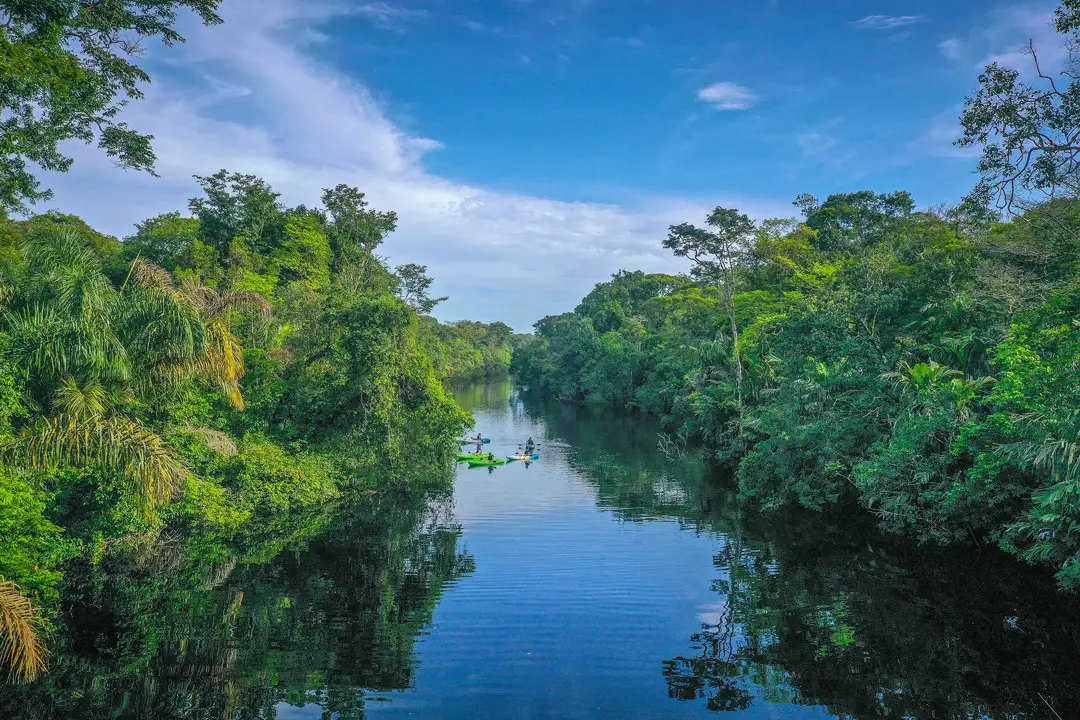
The one-hour boat ride slides through the canals, and the jungle leans in from both sides. Palms, vines, and enormous leaves create green walls so dense they seem to be whispering among cicadas, but the kingfishers and tiger herons that flash overhead know their secrets. Water hyacinths drift by.
Turtles! The Namesake.
At Tortuga Lodge, turtle nesting tours are seasonal and guided, with restrictions designed to protect the animals. Photos are not allowed on the standard turtle nesting tour, which is exactly as it should be. Not every beautiful thing needs to become content. Some moments are meant to stay where they happened.
And the first time you hear howler monkeys belt out a call so prehistoric, your nervous system briefly considers becoming a fossil.
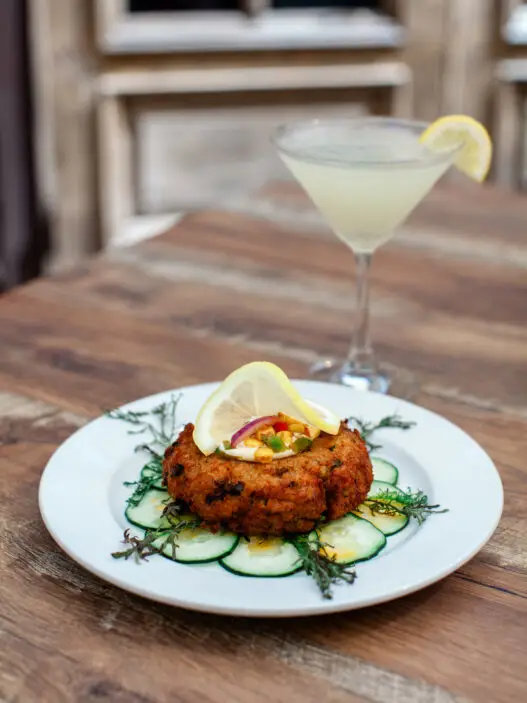
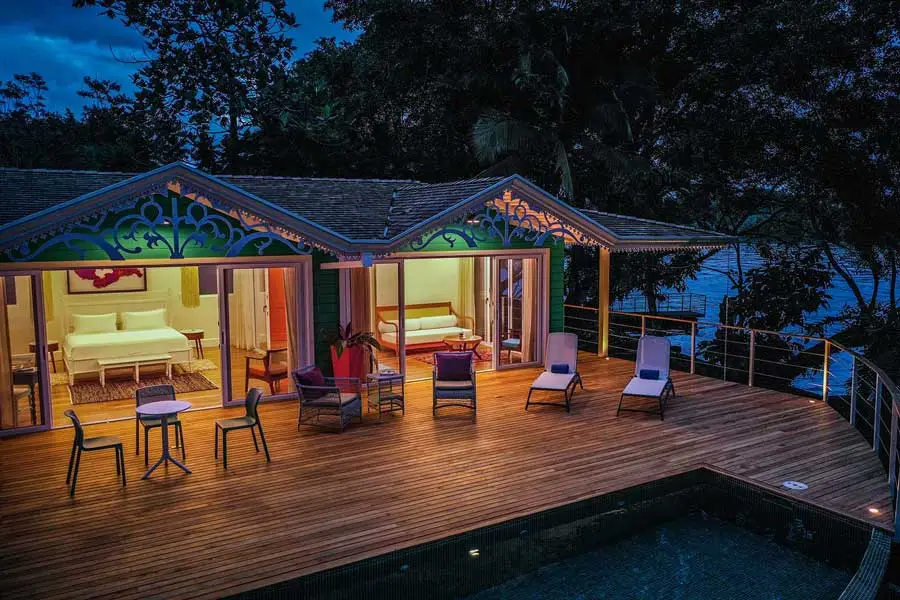
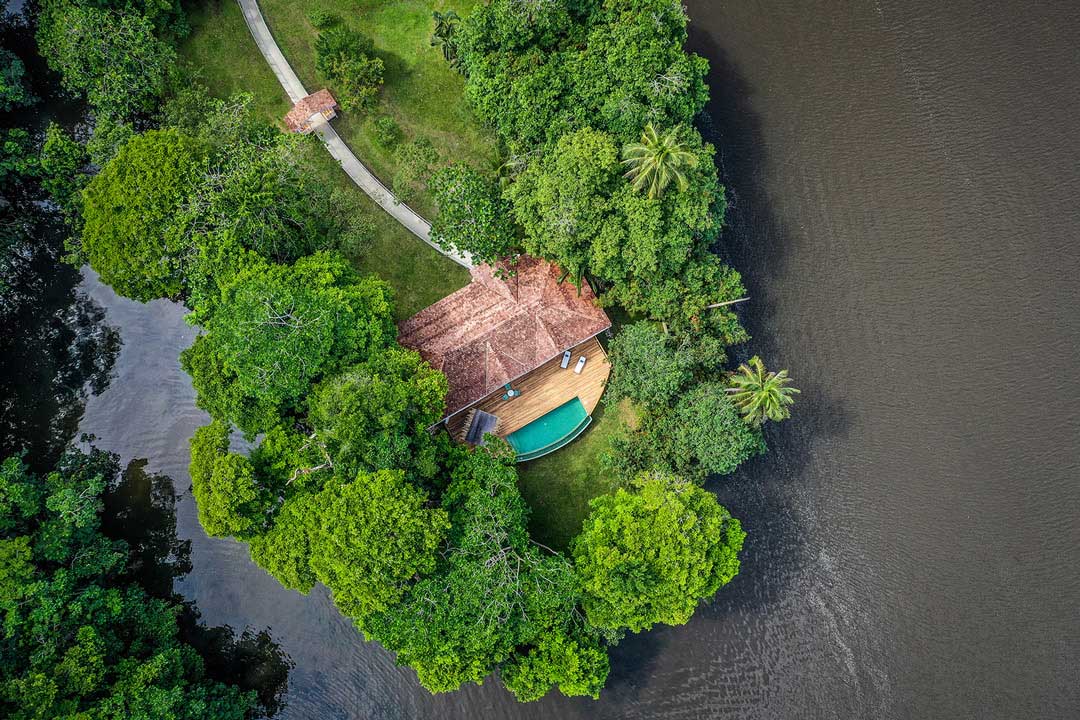
Tortuga Lodge sits between river and rainforest and wet canals, with 29 rooms overlooking Rio Tortuguero and thoughtful comforts like rubber boots, walking sticks, umbrellas, Wi-Fi, and nightly turn-down service. It is pleasant, but not fussy; wild, but not uncomfortable; remote, but not rough. It’s the kind of place where you can spend the morning kayaking through mangrove-lined canals, enjoy a massage on a floating barge and a hot shower midday, and still have a beautiful water-side evening dinner with inventive gazpachos and citrusy Caribbean cocktails.
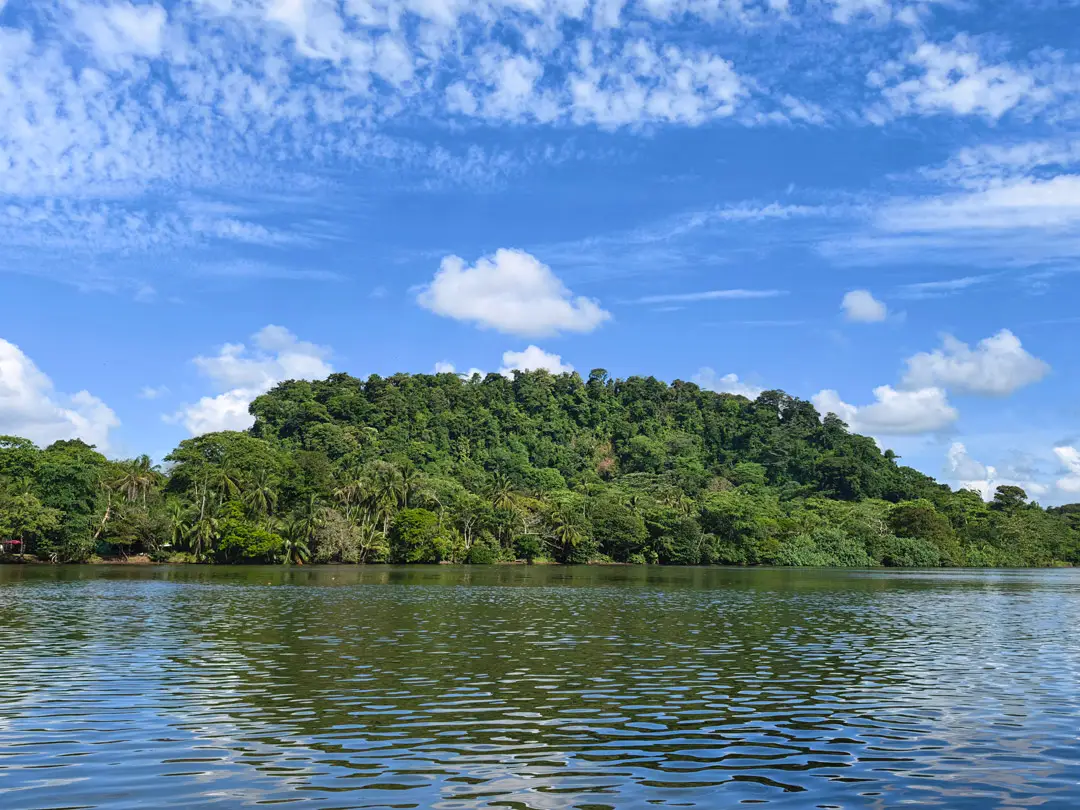
Tortuguero National Park is often called Costa Rica’s “little Amazon,” and while that nickname may sound like it came from a dramatic tourism brochure, the landscape earns it. The park is a place where water replaces roads, boats replace cars. The rainforest does not simply surround you; it reflects itself in the water.
The wildlife is everywhere, but rarely on your schedule. That is the fun part. You become competent in scanning treetops for sloths, shorelines for caiman, and muddy banks for tiny flashes of color. You discover that a bird you’d typically call “a pretty blue one” has a name, a mating call, and a personal brand. You learn that every guide is local and has stories for days, while they also have eyes of a superhero, spotting a sleeping lizard from nearly three zip codes away.
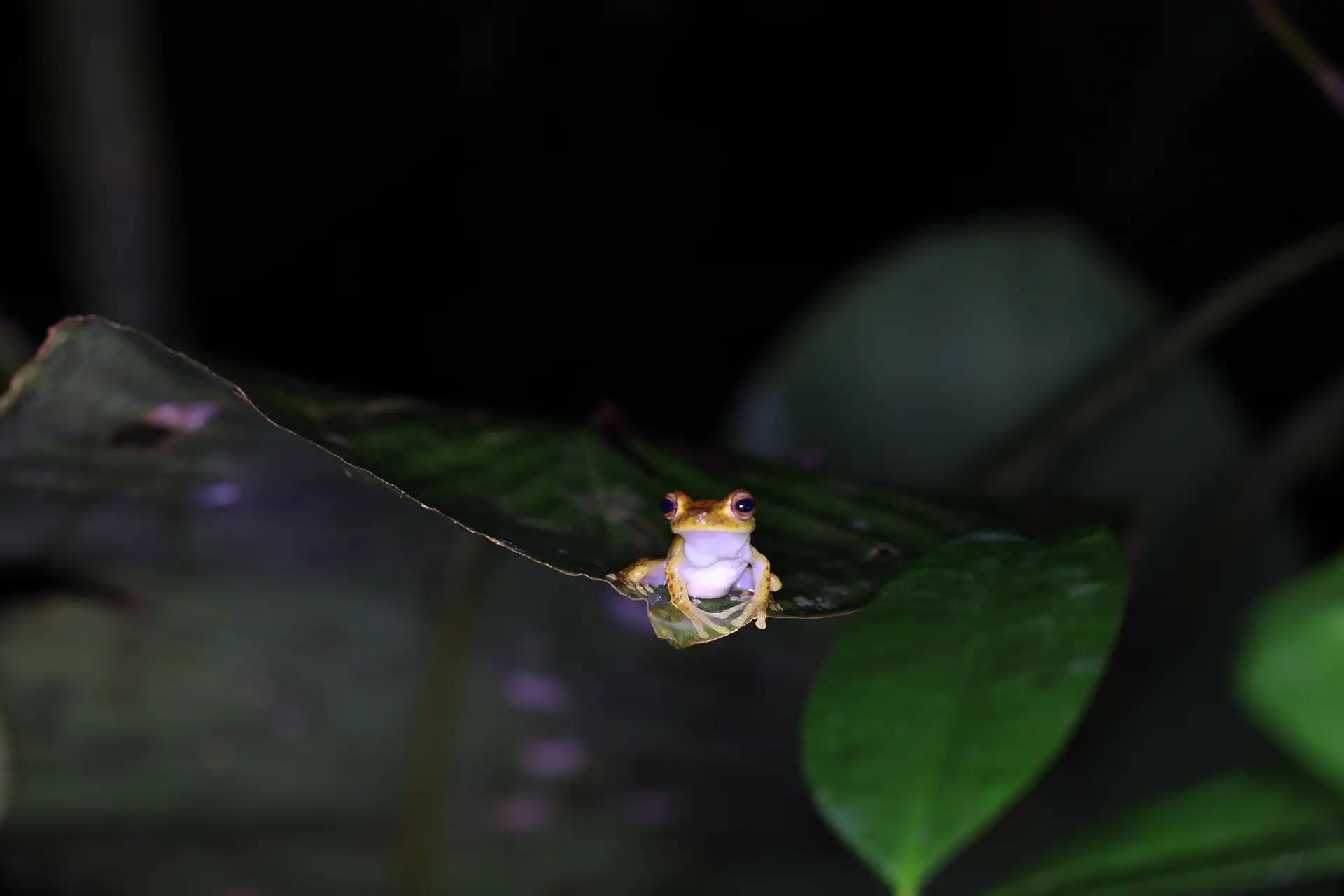
In Tortuguero, nature walks are not casual strolls. They are treasure hunts. A red frog appears like a punctuation mark against the forest floor. Spider webs, impossibly delicate and ridiculously strong, stretch between branches. You discover that spider silk is famous for being stronger by weight than steel, and scientists have studied spider silk and even sent spiders into space to observe how they build webs in microgravity. So yes, that web you almost walk into may not be “NASA uses this exact one for space missions,” but it is absolutely impressive enough to make you apologize to the spider.
The canals bring their own cast of characters: tarpon launching themselves out of the water, blue crabs moving like tiny armored commuters, “snake birds” perching to dry their wings after a swim, caiman spying like they’re solving a crime, manatees escaping the scene, iguanas sunning themselves with unsettling confidence, and “Jesus birds” walking on water like it’s no big deal. The Sea Turtle Conservancy highlights Tortuguero as the largest green turtle rookery in the Western Hemisphere, with important leatherback and hawksbill nesting populations peaking July through October, while Costa Rica’s jaguar population also descends on the area at the same time the babies start to hatch.
This is mother nature doing what she does best: existing, surviving, living.
Canal Cuisine: Tortuga Lodge’s Food
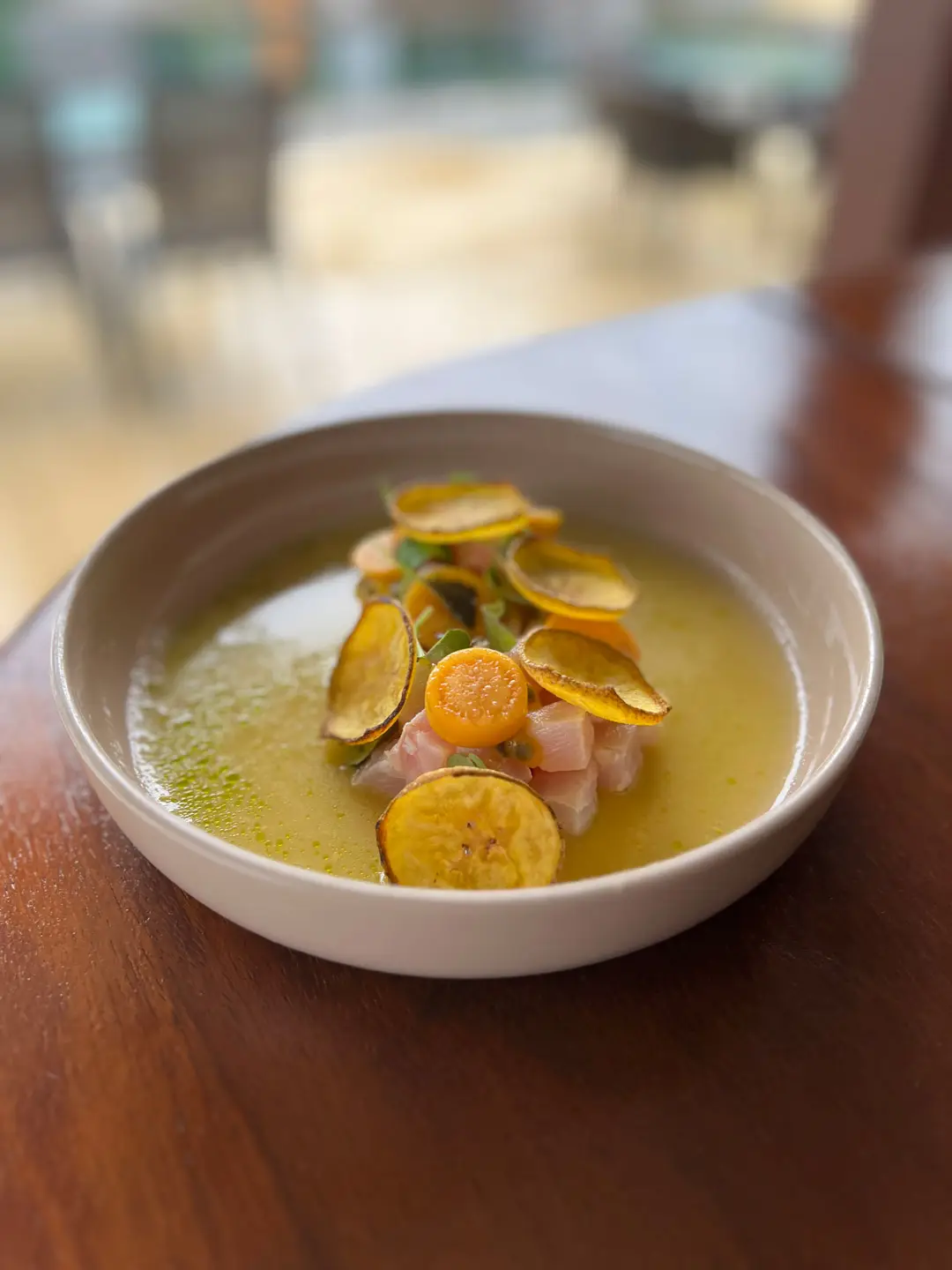
At Tortuga Lodge, the food reflects its setting: Caribbean, local, and deeply connected to the village life around Tortuguero. The lodge prioritizes seasonal ingredients and regional sourcing, creating direct economic support for nearby communities. The result is food that feels bright, unfussy, and specific to its coastal surroundings.
Tortuguero’s beaches are famous for sea turtle nesting, and it is impossible not to feel the gravity of that when you are there. The idea that a turtle can cross entire oceans, return to a stretch of beach, and continue an ancient rhythm older than almost everything we worry about is enough to make even the most committed over-scheduler quiet down.
That may be one of Costa Rica’s best lessons. The country gives generously, but it also asks for something in return: attention. Not just looking, but noticing.
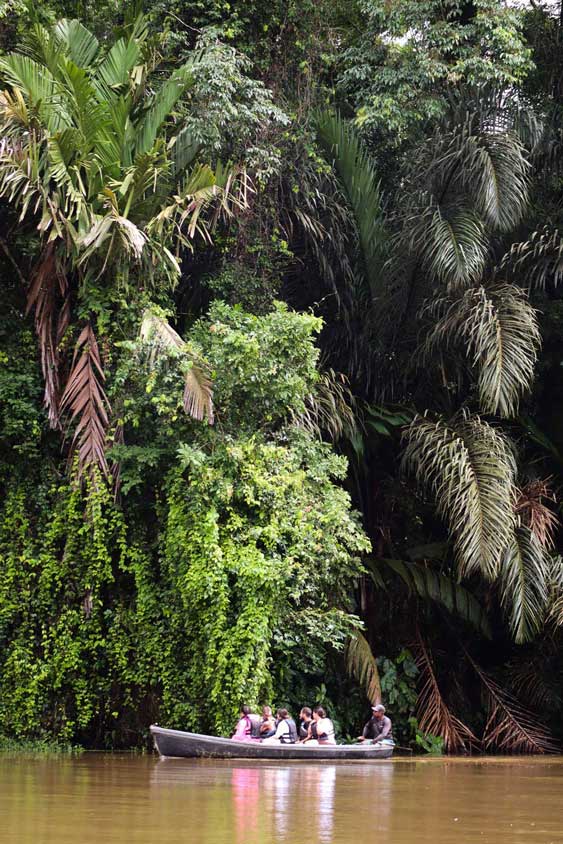
At Tortuga, that lesson is everywhere. You see it in the way guides slow the boat when wildlife appears. You see it in the quiet reverence around turtle nesting. You see it in the way the lodge blends into the river’s natural rhythm rather than trying to overpower it.
Even the jaguars, though more of a rarity, are part of the conversation. In Tortuguero, a jaguar sighting is not casual gossip; it is headline news shared with excitement. These cats move through the forest like legends. You may not see one, and honestly, that is probably best for everyone’s blood pressure. But knowing they are out there changes the way you look at the trees each night. Suddenly, the jungle is not scenery. It is a neighborhood, and we are the visitors.
Days at Tortuga begin early because the rainforest does not believe in sleeping in. Breakfast comes with river views and the possibility that a bird you cannot identify will make you feel undereducated before coffee.
It is rare to be somewhere that makes you feel small in the best possible way. Not insignificant, exactly, but resized and put back into proportion. The jungle reminds you that the world is wider than your inbox, older than your deadlines, and much more interesting than whatever you were scrolling before you lost service.
That feeling follows you back to the lodge, where the river keeps moving and the afternoon light turns everything gold. You can swim, read, rest, wander, or sit under a fan pretending to journal while actually plotting how to stay longer.
Between Pacuare and Tortuga lodges, the journey feels like two chapters of the same story.
Pacuare Lodge is the pulse: the river, the rapids, the waterfalls, the adrenaline, the jungle dripping from the mountains. It is wild and romantic, dramatic and deeply grounding and restful. It asks you to be brave, then rewards you with candlelight, a dreamy villa, and a plunge pool.
Tortuga Lodge is the hush: the canals, the turtles, the birds, the boats, the mangrove roots, the sense that the rainforest is breathing slowly around you. It asks you to look closer, then rewards you with monkeys foraging tree canopies and a sky full of birds soaring overhead.
Together, they show a version of Costa Rica that is both thrilling and tender: one that understands luxury not as excess, but as access to silence, to wilderness, to clean water, to guides who know the land, to communities who have cared for it long before visitors arrived.
That is the heart of pura vida.
It is not just a phrase tossed out at the end of a conversation. It’s a philosophy built on ‘enough-ness:’ enough time, enough beauty, enough river, enough rain, enough wonder. Pura vida is the opposite of rushing. Costa Rica does not ask you to be impressed. It simply keeps being alive until you are reminded that you are also among the living.
Two Sides of Costa Rica’s Caribbean
Pacuare and Tortuga lodges may both call Costa Rica’s Limón region home, but they are two very different chapters of the same green story.
Pacuare Lodge is deep in the rainforest: mountain vistas, rushing river, Cabécar culture, whitewater rafting, waterfall rappelling, and villas tucked into the jungle like a very elegant secret.
Tortuga Lodge is the water world: mangrove canals, sea turtle nesting, boat safaris, birdwatching, kayaking, and Tortuguero National Park’s natural habitat.
Together, they showcase the Caribbean side of Costa Rica in living color. And both leave you a little wilder than they found you.
Local Hands, Local Heart: A Shared Commitment
Both Pacuare Lodge and Tortuga Lodge are part of Böëna, a hospitality collection focused on properties with distinct natural, cultural, and culinary identities. One hundred percent of their team members come from the communities surrounding each lodge. Both properties also prioritize buying local products and ingredients, creating direct economic impact in the regions where they reside. The guides know the trails because they grew up near them. The food reflects the locale because it comes from the region. The hospitality feels personal because it is personal.
Visit them All
Pacuare Lodge on Rio Pacuare | pacuarelodge.com
Lapa Rios Lodge on Osa Peninsula | laparios.com
Tortuga Lodge on Canals of Tortuguero National Park | tortugalodge.com
Monteverde Lodge in Monteverde | monteverdelodge.com
Cloud Forest Lodge in Monteverde Cloud Forest | cloudforestlodge.com