


The Lounge that Established Eastside’s Music Scene
Words by Jessi Devenyns Photos by Tary Owens
While Winston Churchill was throwing victory signs to news reporters across the Atlantic, the celebration of the Allied victory in World War II looked a little different in Austin, Texas. Already weary from battle, soldiers from the Western front were coming home to another kind of conflict where the line was drawn in black and white.
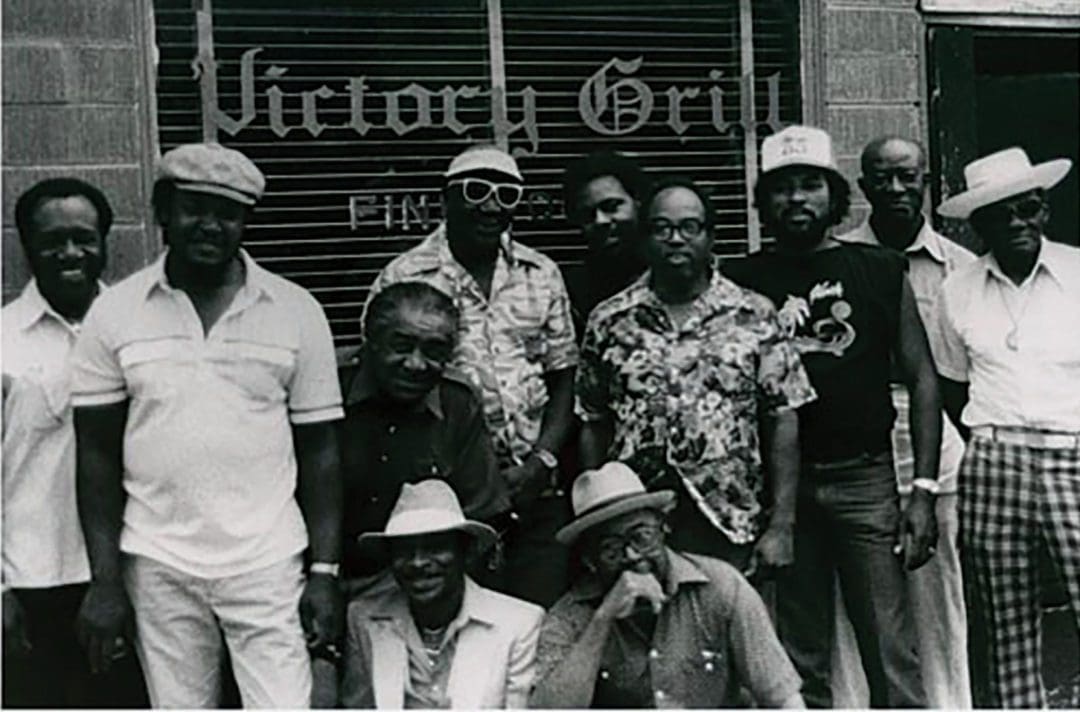
Although not originally intended to blur those lines, Victory Grill was established in 1945 by Johnny Holmes to offer returning Black soldiers a place to enjoy live music and a cold beer, emblematic of the changing times. The original venue was a small café that served up burgers and provided live entertainment on the front porch. It was an intimate setting quintessential of the 1940s Eastside, but it soon began to defy its boundaries.
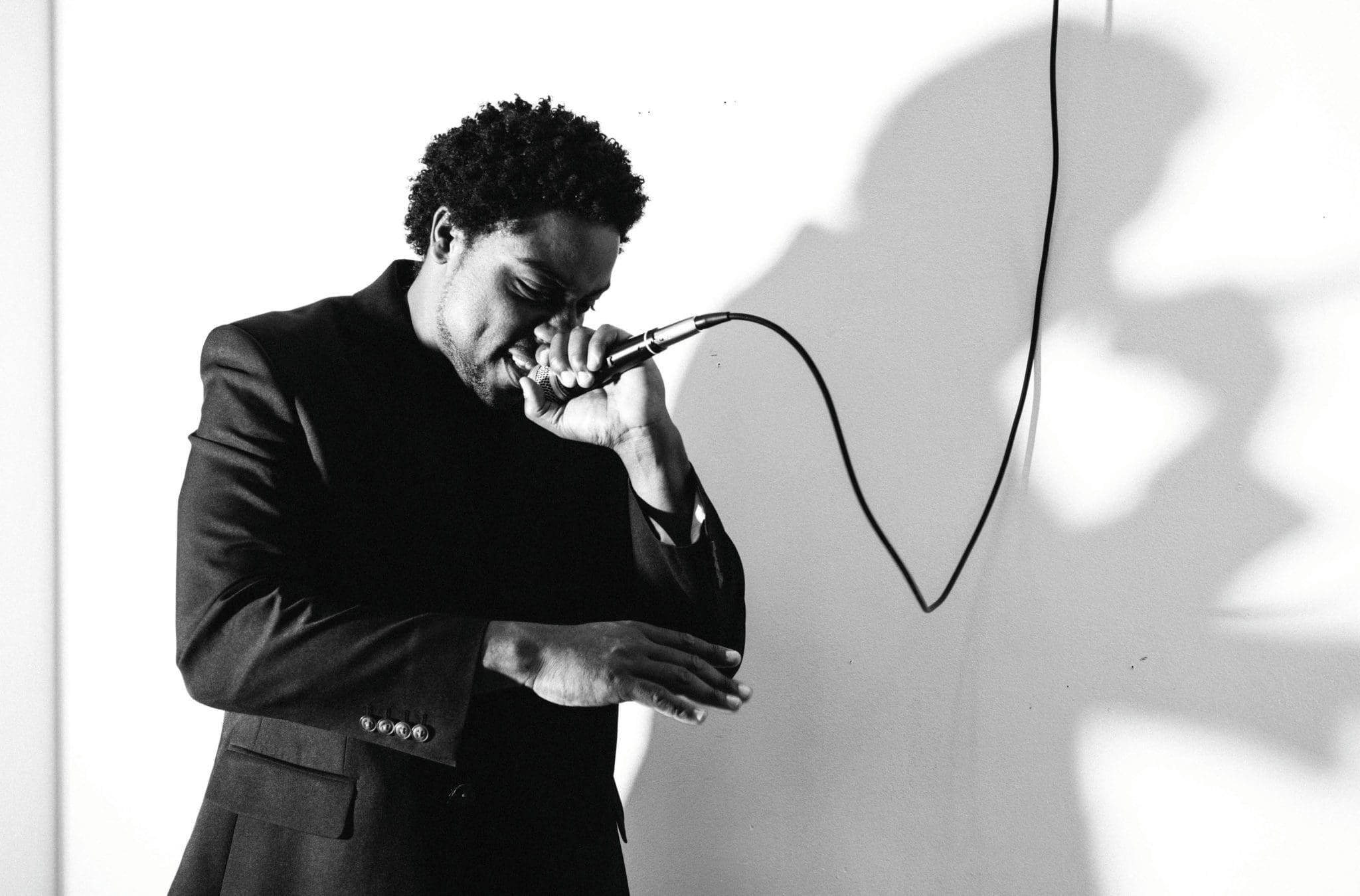
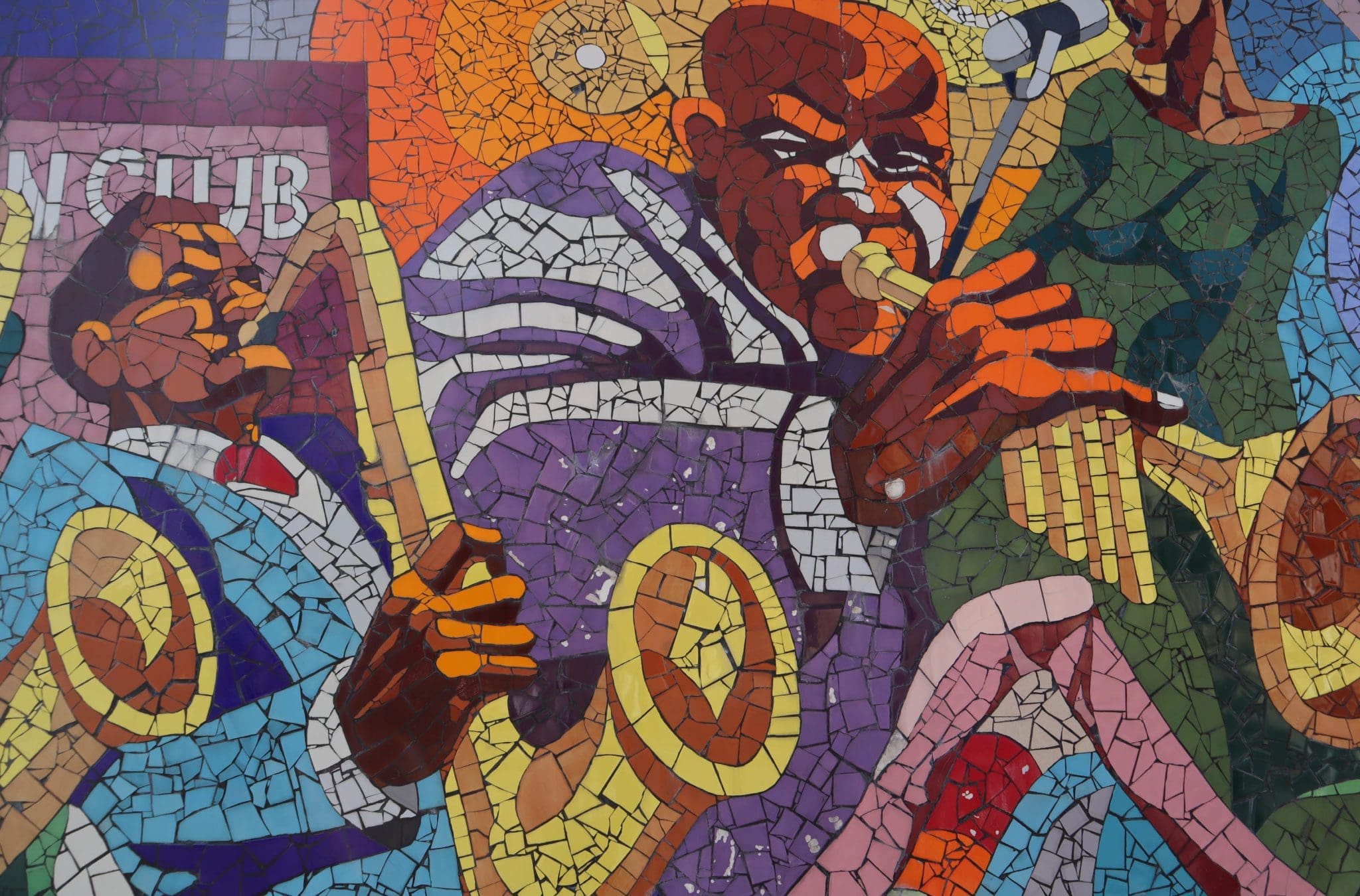
By 1949, Holmes had expanded the grill to include a bar and a performance stage that, in short order, solidified its spot on the “Chitlin’ Circuit:” a nickname for juke joints and blues halls across the segregated South. Blacks who were banned from entering white establishments on the west side of town instead arrived at Victory Grill to carouse, cut a rug, and see some of the best acts of the era. Acts such as James Brown, Ike and Tina Turner, Billie Holiday, Chuck Berry, and Etta James all tripped across the stage at Victory Grill.
With such a roster regularly patronizing the joint, it wasn’t long before curious University of Texas students and other white patrons from the west side began drifting over to East 11th Street. Although history archives record tensions between the two groups during the Jim Crowe era, it wasn’t long-lasting. The year 1954 brought tumultuous change to the United States and Victory Grill. Segregation was declared unconstitutional that year, and Austin opened up to Blacks in a way that had previously been inaccessible.
However, this freedom to move had unexpected consequences for the bar and grill that had made its name and thrived in the cohesive, albeit segregated, community of East Austin. Musicians who were previously barred from playing shows east of I-35 now joined larger pools of talent that performed all over town. At the same time, musical tastes were changing. Jazz and blues had long ruled the airwaves, but a new generation was ushering in the sounds of rock-n-roll and progressive country music that was amplified in Austin by the addition of iconic venues like the Armadillo World Headquarters and Antone’s.
As new venues arose in the 70’s, Victory Grill eventually closed down its stage. Though it still operated sporadically as a café, a fire in 1988 finally forced the institution to shut its doors permanently. For nearly a decade, the property languished until R.V. Adams, a friend of Holmes, and Eva Lindsey funded the club’s restoration in 1996.
Since then, Austin’s oldest blues venue still operates and hosts shows periodically for the likes of South By Southwest as well as private events. Even if it’s no longer a weekend destination like it was 80 years past, when the doors are open, the opportunity is not to be missed. So, if the lights are on, come on in.
Native Knowledge:
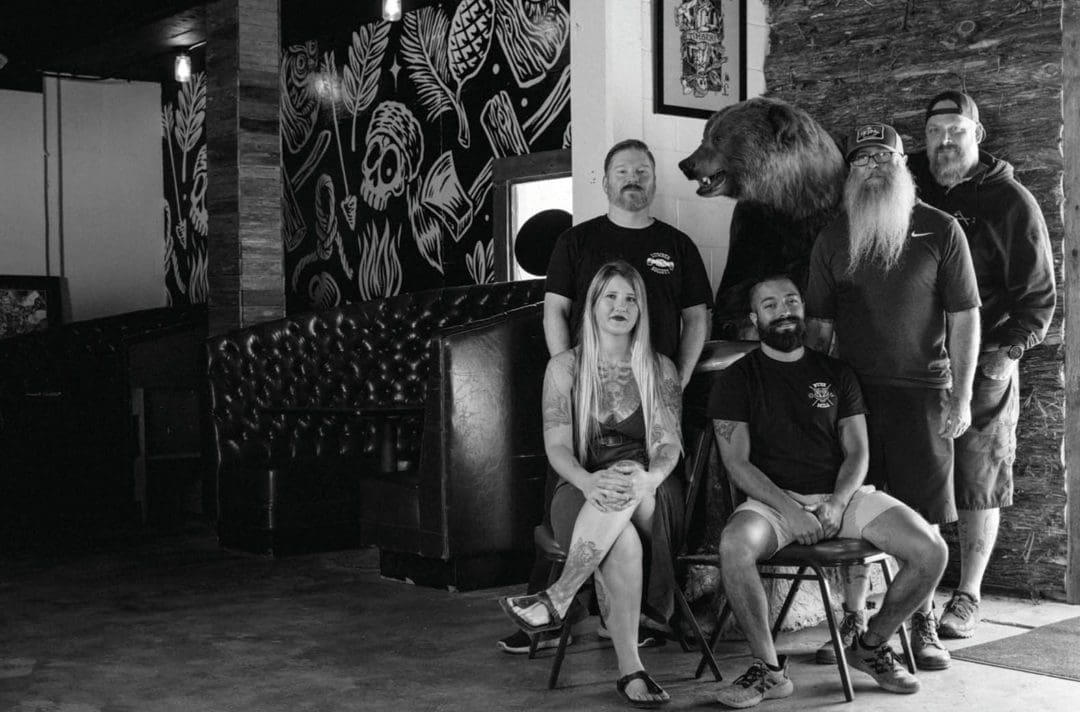
The Victory Grill is scheduled to open as Rolling Rooster in early 2020, serving up chicken and waffles, just like the good ol’ days. As a nod to the past, Rolling Rooster will have a stage for blues and R&B performances.
Learn More:
Texas Travel
Contact:
atxhistoricvictorygrill.org
therollingrooster.com
1104 E 11th St.
Published December 11, 2019