










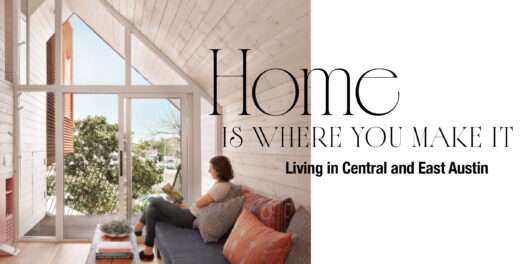
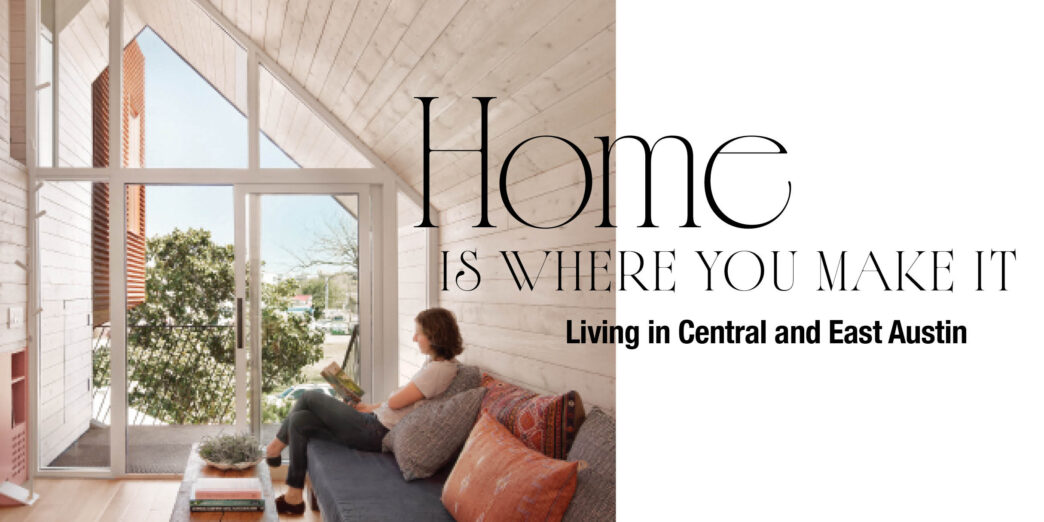
Living in Central and East Austin
Words Ainsley Gaines & Ashley Bowling
Austin has always loved a good line in the sand, except when it comes to neighborhoods. Depending on who you ask, the dividing line of East Austin was once Red River, or maybe the State Capitol, or maybe just wherever the vibes shifted that block. These days the lines blur, overlap, converge, and honestly, that’s where the good stuff lives. When lines blur, friendliness thrives, community shines, and local businesses survive the inevitable shifts.
We exist because of that convergence. Where East and Central Austin meet, so do the stories. Homes are shaped by skyline views, historic bungalows growing upward instead of outward, and neighborhoods that carry their past while fully living in the present. From downtown penthouses to Holly hideaways to Hyde Park classics, these spaces don’t just sit in Austin. They reflect how the city lives now. Consider this your guide to the homes, streets, and local places that make Austin feel layered, lived-in, and still very much its creative (even a little weird) self.
Windsor Park & University Hills Neighborhoods
This neighborhood balances nostalgia so well. Built during Austin’s post-war boom, these “once-suburbs” are defined by their midcentury bones. Think low-slung rooflines, big lawns, and layouts made for porch sitting and backyard hangs. That easygoing vibe carries straight into the neighborhood’s gathering spots and small businesses like Indigo Moon Massage, Let’s Eat Austin’s cooking classes, and the creative chaos of Austin Creative Reuse center. You’ll find locals lingering over burgers at Hank’s, grabbing legendary pies from Little Deli & Pizzeria, clinking cold beers at St. Elmo Brewing Co., and crunching on chili-drenched joy at Spicy Boys Fried Chicken. Community anchors Windsor Park Library’s events, while Paco’s Tacos delivers Tex-Mex that feels like it’s been there forever (because it basically has).
Mueller Neighborhood
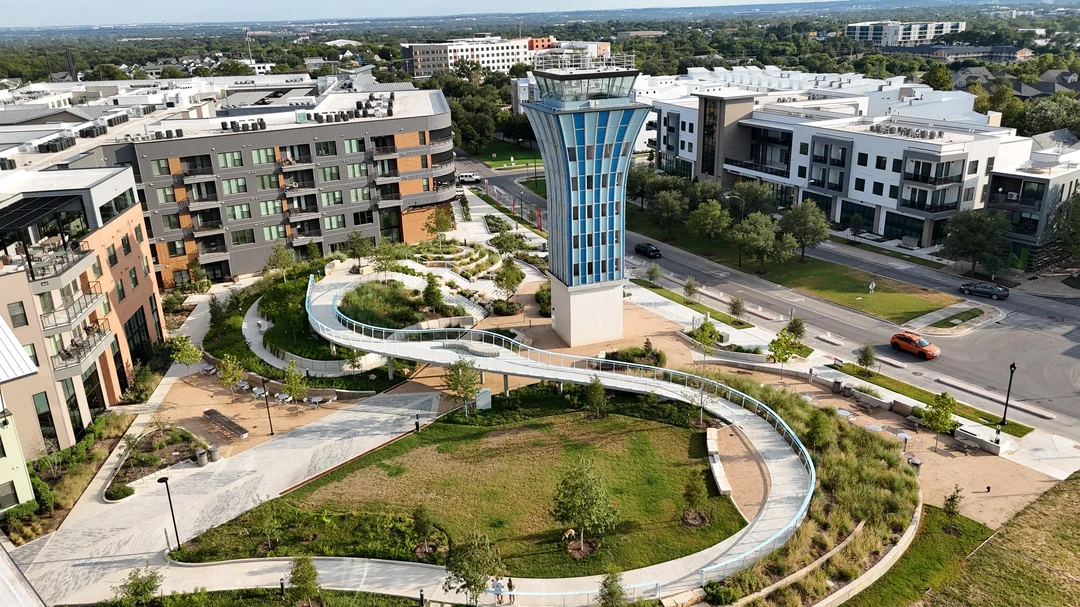
Once Austin’s airport, and now one of the city’s most walkable, buzzed-about neighborhoods, Mueller stretches between Airport Boulevard, Manor Road, and East 51st Street; yet, it still feels both thoughtfully planned and effortlessly lived-in. The old control tower continues its watch, the hangar hosts workout classes and community events, and the neighborhood hums with daily life around Mueller Lake Park. Locals line up for greens at Honest Mary’s, slurp noodles at Marufuku Ramen, flow at Dharma Yoga, and debate taps at WhichCraft Tap Room. Sundays are for strolling the Texas Farmers’ Market, date nights land at Alamo Drafthouse or Bottega, dessert is mandatory at Lick Honest Ice Creams, while family time shines at Thinkery. It’s no wonder Muellerites don’t leave the bubble; they simply have everything they need at their fingertips, including H-E-B.
Read more here about things to see and do in Mueller.
Cherrywood & French Place Neighborhoods
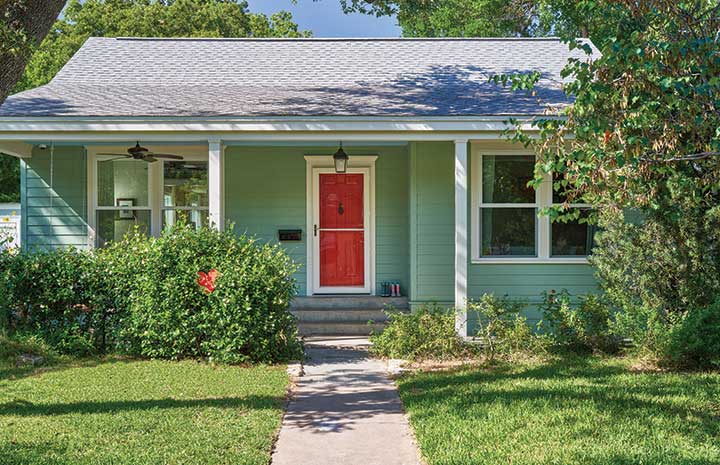
From I-35 and Airport Boulevard down to the Manor Road restaurant district, Cherrywood and French Place feel like a snapshot of Austin mid-stride with historic homes, shady streets, and a neighborhood rhythm that’s equal parts nostalgic and evolving. These pockets grew alongside farmland, Air Force housing, and university expansion. Today, the neighborhood balances longtime locals with a steady influx of creatives and food lovers who know where to linger. You’ll find comfort done right at Hoover’s Cooking, sweet scoops from Amy’s Ice Creams, vintage treasures at Howdy Vintage, and bold tacos at La Santa Barbacha. Nights might end with cocktails at The Long Goodbye or a celebratory meal at Dai Due, proving that this part of town knows how to honor their past while quietly living in the present.
Read more here about things to see and do in Cherrywood & French Place.
Where the Heart Is
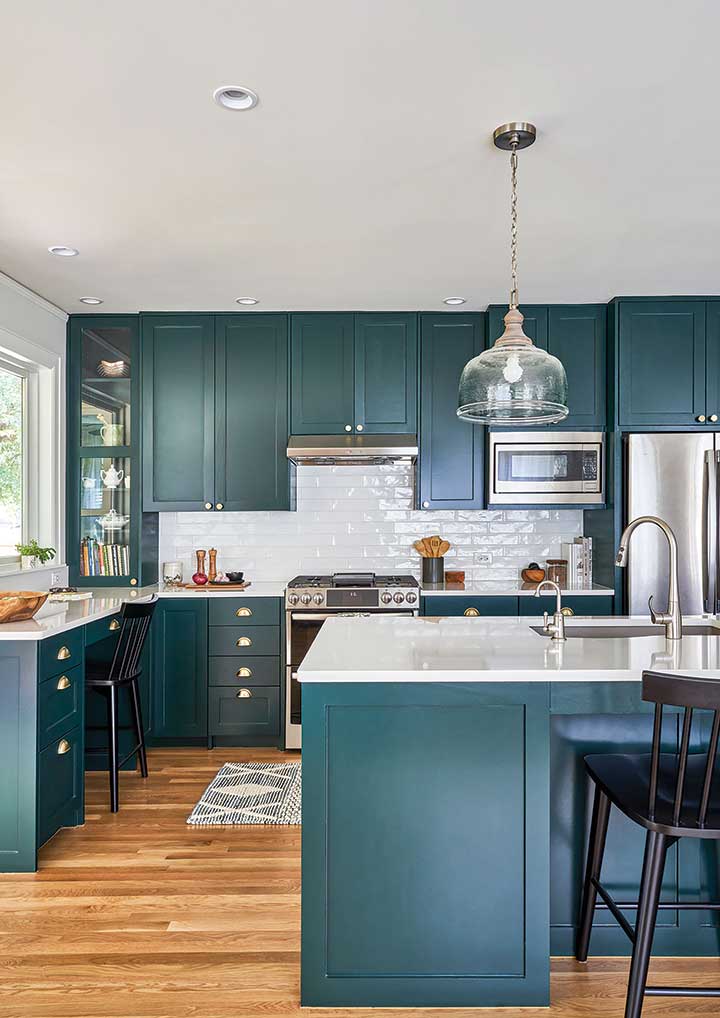
Faced with the dilemma to relocate or renovate, a growing family embraces Cherrywood’s charm, sensitively updating a historic 1930s French Place home while preserving priceless community bonds. Specific care was taken to feature fixtures original to the home, including homeowner Lindsay’s collection of antique furniture and work from artists local to Austin and Los Angeles.
They purchased the modest, 1930s traditional single-family home, embedding themselves in the walkable and charming neighborhood of Cherrywood. Marked by well-used front porches and a diverse, close-knit community, the location was perfect. But a decade later, the family was growing, and so were their needs.
To see additional photos and read the full story about this home, click here.
East Martin Luther King Jr. Neighborhood
From Airport Boulevard to its west, Mueller to its north, and the 183 to its east, East MLK is a neighborhood that knows how to evolve without forgetting where it came from. Long rooted in East Austin’s working-class, this stretch has grown into a creative, food-forward hub where legacy spots sit comfortably alongside new favorites. And somehow it all works.
You’ll find locals posted up with a pint at Oddwood Brewing, lining up early for brisket at KG BBQ, Micklethwait Craft Meats, and Mum Foods, or playing bocce ball at Batch Craft Beer & Kolaches. Coffee breaks happen at Palomino Coffee, late nights spill into live music at Sahara Lounge, and comforting classics still rule at Terry’s Seafood & Chicken. When it’s time to move, neighbors hit Lift ATX, shop art and snack at Springdale General, cool off at Givens Pool, or tee off at Morris Williams Golf Course. We love that East MLK doesn’t try to impress; it just quietly becomes one of the most lived-in, well-fed corners of the city.
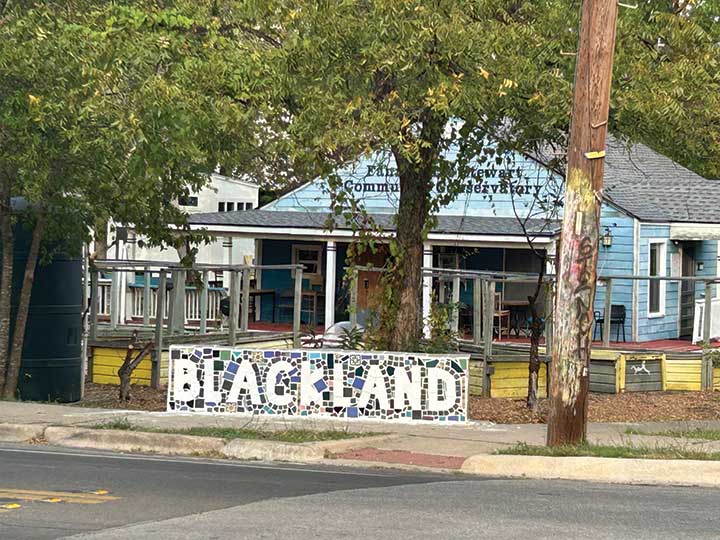
Chestnut & Blackland Neighborhoods
Stretching from Manor Road to East 12th, the Chestnut and Blackland neighborhoods are classic East Austin: deeply rooted, proudly lived-in, and quietly cool long before it was trendy. Historic bungalows and long-standing community ties set the tone, while today’s food and drink scene keeps things current. You’ll find pizza worth obsessing over at Sammataro, pastries with purpose at Comadre Panadería, and a sense of awe-worthy art inside The Cathedral. Neighborhood staples like Market, Austin Daily Press, Juiceland, and The Wheel round out the vibe: all proof that Chestnut and Blackland honor their past while eating very, very well in the present.
Read more about Chestnut & Blackland here.
Rosewood Neighborhood
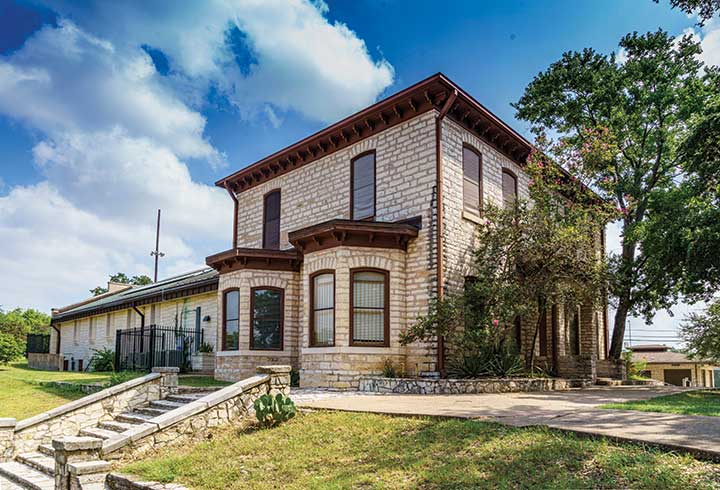
The Rosewood neighborhood hugs the curves of the Boggy Creek Greenbelt, where mini-parks, bike trails, community gardens, and mural moments keep things feeling delightfully alive. Stretching from Manor Road down to Webberville Road and East 7th, this pocket of East Austin packs a lot into its green land.
Fuel up at Love Supreme or Bird Bird Biscuit, cool off at Rosewood Park’s splash pad and pool, or shoot some hoops at Delores Duffie Recreation Center’s indoor gym, then wander over to Webberville Food Truck Park for caffeine and carbs, courtesy of Desnudo Coffee, Kerlaches, and Veracruz All Natural. Rosewood is equal parts outdoorsy and artsy, and honestly, it’s the dream.
Read more about the things to do and see in Rosewood here
A Modern Twist on Victorian Charm
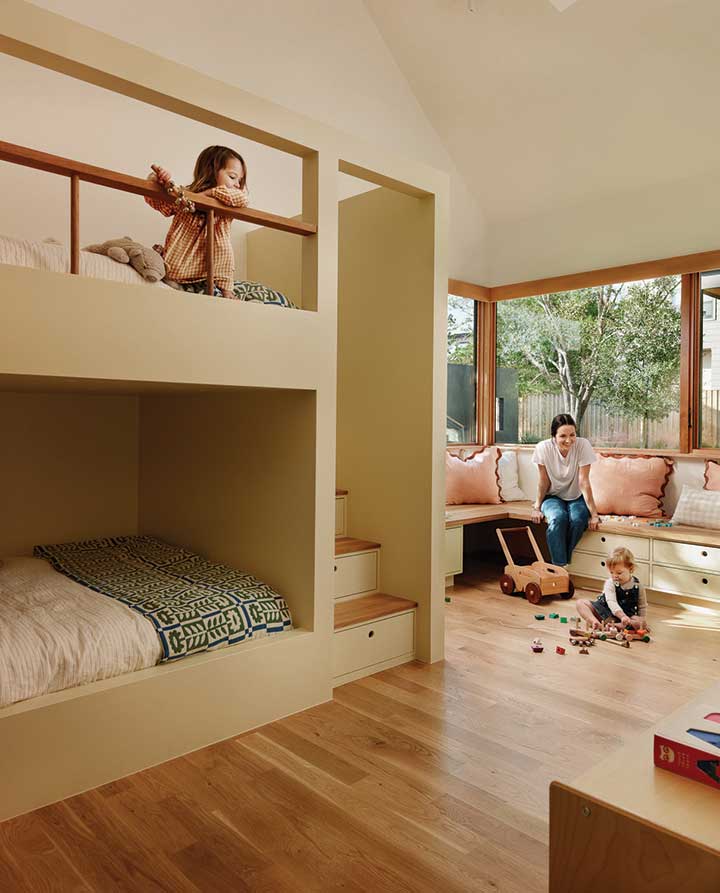
In Austin’s Rosewood neighborhood, Holly Beth and Matt Potter were drawn to a place that already felt like home. Friends lived nearby, and the rhythm of daily life felt established and welcoming. When a 1935 Victorian-style bungalow came on the market, the couple knew they had found something rare: a house rooted in history, set within a community they loved.
The home itself carried an undeniable presence. “It felt like a house with a lot of history. If these walls could talk…” reflects Holly Beth, homeowner and interior designer. To her, the home’s character and nostalgia were irreplaceable and worth preserving.
To see additional photos and read more about this beautifully designed home, click here.
Hyde Park & North University Neighborhoods
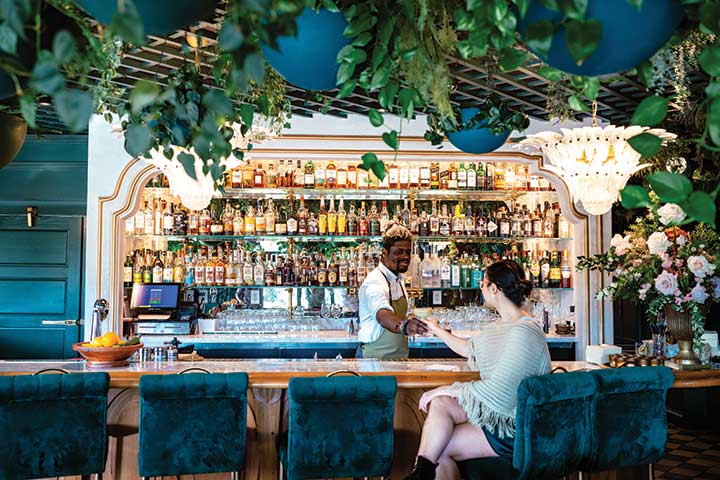
With its leafy streets lined by Craftsman bungalows and stately Victorian homes, Hyde Park and North University feel like a love letter to old Austin, where front porches still matter and history quietly hums in the background. Developed in the late 1800s as one of the city’s first streetcar suburbs, this neighborhood has long balanced academia, activism, and everyday living with ease.
Mornings might start with a workout at Hyde Park Gym, followed by small plates at Oribello’s Bar & Kitchen or lingering over wine at Vino Vino. Dinner leans into cozy Italian at Little Nonna’s food truck or ASTI Trattoria, while early mornings (or no judgment late nights) inevitably lead to Tyson’s Tacos. This neighborhood is timeless, lived-in, and oh-so-charming, just like the houses that define it.
Read more about what to do and see in Hyde Park and North University here.
Where Function Finds Its Flow
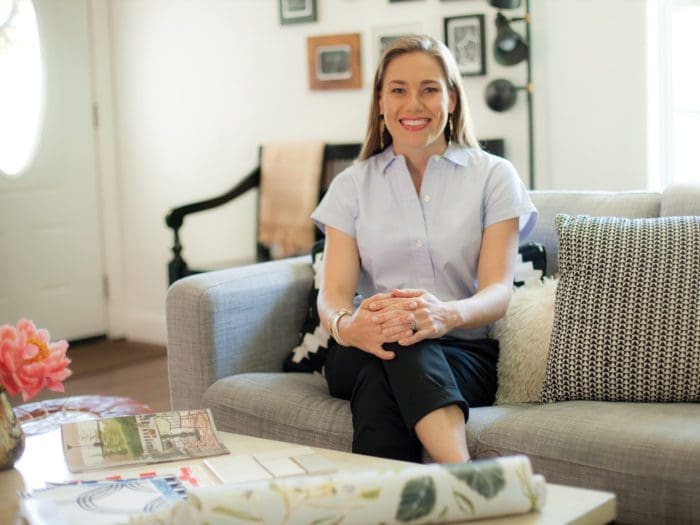
When Amity Worrel, owner and principal interior designer of Amity Worrel & Co., first began working on this charming Hyde Park home, it had character and scale, but it no longer fit the rhythm of the homeowners’ lives. The family was growing, careers were demanding, and the home’s generous footprint masked an old layout that felt disjointed.
From the moment you step through the front door, the home now feels intentional; but that wasn’t without several remodel phases. The entry hall was reconfigured to offer both visual calm and practicality, with added storage and rugs that ground the space.
To see additional photos and read the story about this home, click here.
Downtown Living
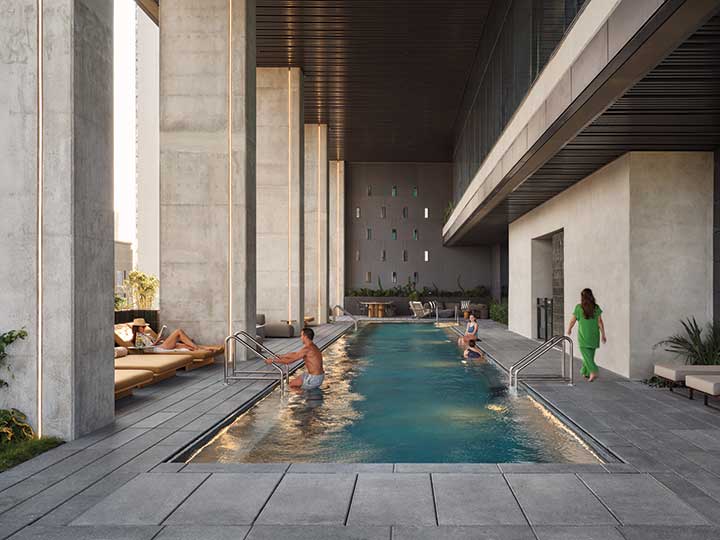
Living in Downtown Austin means your backyard is the city itself, walkable and buzzing. Parks, patios, and familiar blocks replace quiet streets, with Waterloo Greenway and Lady Bird Lake only a few steps away, acting as the city’s collective deep breath. Between Austin Central Library, the SFC Farmers’ Market at Republic Square, shows at ACL Live, Moody Center, and the constant pulse of Red River’s music scene, downtown life is equal parts motion, momentum, and respite. It can be loud, and yet somehow, it still feels like home if you know where to land.
Read more about what to do and see in Downtown Austin here.
A Home in the City Skyline
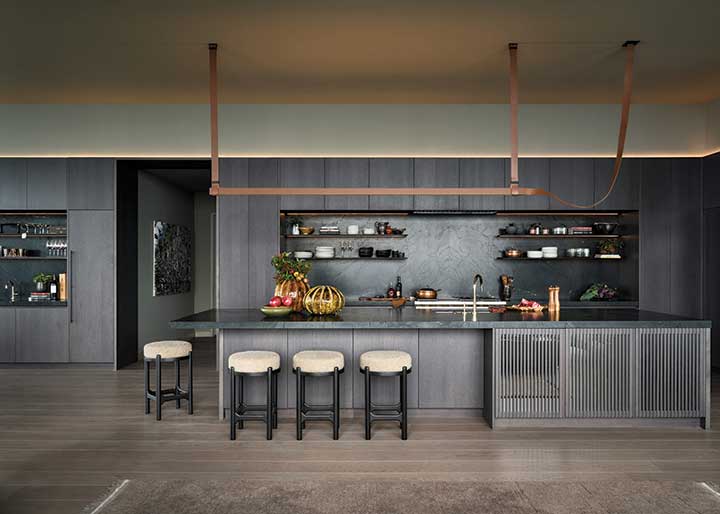
High above Rainey Street, where Lady Bird Lake bends south and the Austin skyline stretches west, a two-story penthouse atop The Modern offers a different way of thinking about home. Rather than feeling removed from the city below, the residence is deeply connected to it, shaped by views, movement, and the rhythms of daily life lived vertically.
To see additional photos and read more about this modern home, click here.
Holly & East Cesar Chavez Neighborhoods
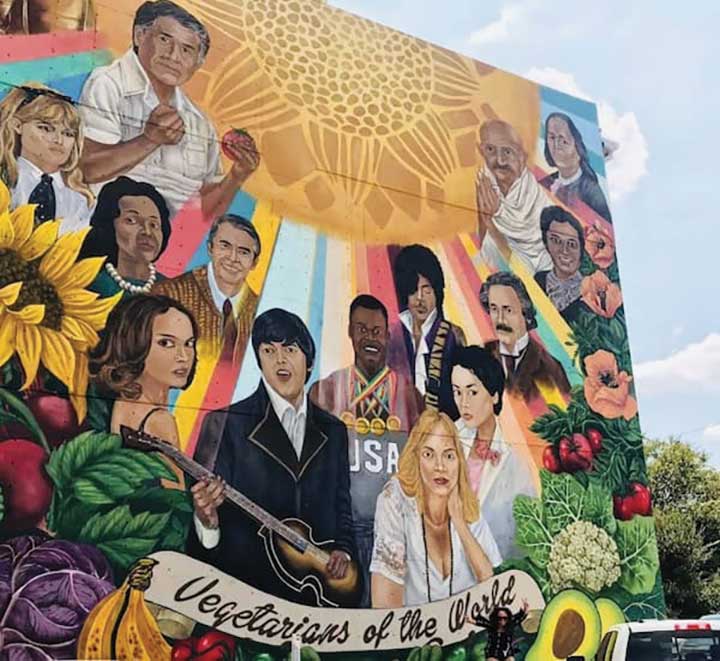
Running along East Cesar Chavez between I-35 and South Pleasant Valley, this stretch is old Austin with a very good glow-up. It’s where morning strolls on the Tejano River Walking Trail turn into lunch lines at la Barbecue, afternoons drift through the murals at the Holly Power Plant, and evenings slide seamlessly into dinner at Launderette or Suerte. Dessert is non-negotiable at Gati Ice Cream, and when you need a breather, Fiesta Gardens delivers river views and the occasional festival vibes. Equal parts historic, hungry, and art-soaked, Holly and East Cesar Chavez don’t just show you what Austin is made of, they feed it to you.
Read more about what to see and do in Holly & East Cesar Chavez here.
Rising Action
“We knew it was going to be complicated, but we knew we had to do it,” beams Dylan Robertson, remembering the first moment he and his wife, Annie Cobb, saw their home addition visualized. “The renderings just spoke to us.” The vision, striking yet surprisingly tender, was authored by architect Nicole Blair, who quickly formed a collaborative bond with the couple in the early conceptual meetings.
To address the challenge of needing more space without losing their backyard, the only place to go was up. Four steel beams support a taut, irregular volume which is connected to the ground by a playful and porous steel staircase landing at the existing bungalow’s porch.
To see photos and read the story behind this uniquely crafted home, click here.
Govalle Neighborhood
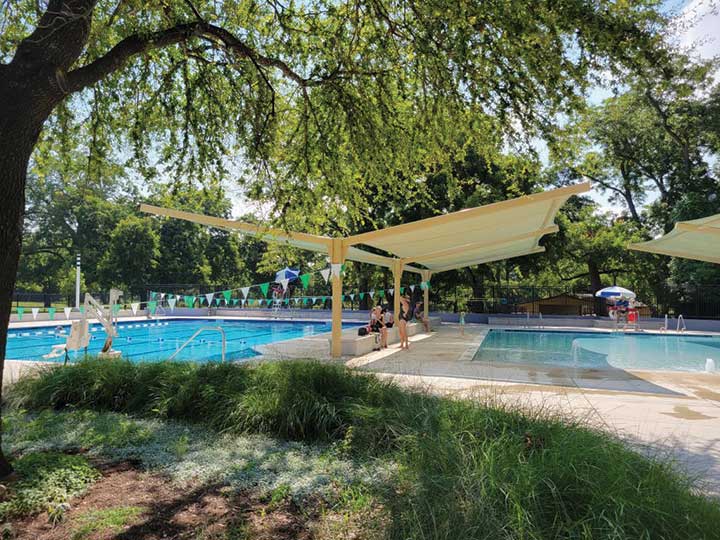
Bookending the eastern stretch of East Cesar Chavez Street and brushing right up against the far edge of the Colorado River, Govalle is where East Austin’s industrial past learned how to throw a really good party. Once home to rail yards, farms, and working-class grit, the neighborhood now hums with creative energy. It’s equal parts laid-back and let’s-have-one-more-round. You might start with Cajun comfort at Lil’ Easy Fine Cajun Food & Bar. Follow it up with margs at De Nada Cantina, and then wander over to Kinda Tropical or Central Machine Works for beers and a backyard show. The night might end under candlelit trees at Justine’s Brasserie, while days are for art at Canopy, dog-gone good paw-ties at BARk House Social, climbing sessions at Austin Bouldering Project, or produce runs at Boggy Creek Farm. Govalle isn’t a place that tries to impress. It just quietly wins you over.
Read more about things to see and do in Govalle here.
East Riverside Neighborhood
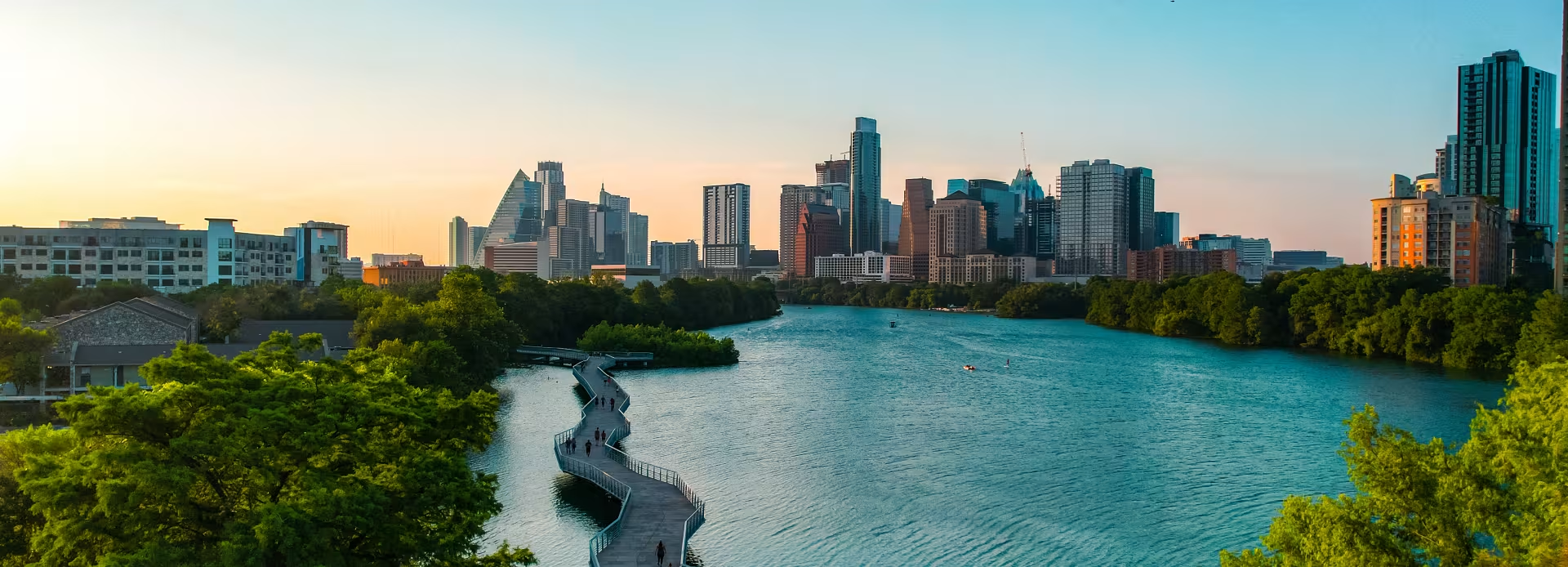
Sitting just south of Lady Bird Lake, this stretch of town balances outdoor energy with global flavor, making it equal parts chill and buzzing. This river-adjacent stretch of land boasts The Ann & Roy Butler Hike & Bike Trail, drawing runners, dog walkers, and sunset chasers who swear this is the prettiest loop in town. Food-wise, the flavors travel far. From craveable stir-fries at 1618 Asian Fusion to colorful plates at Ryan Lebanese Cuisine, East Riverside eats well without trying too hard. And for peak neighborhood charm, the cute food truck park at AMLI is anchored with Noble Joe’s Coffee and Brunch Brunch Baby to fuel your mornings.
Read more about the East Riverside Neighborhood here.
Swede Hill Neighborhood
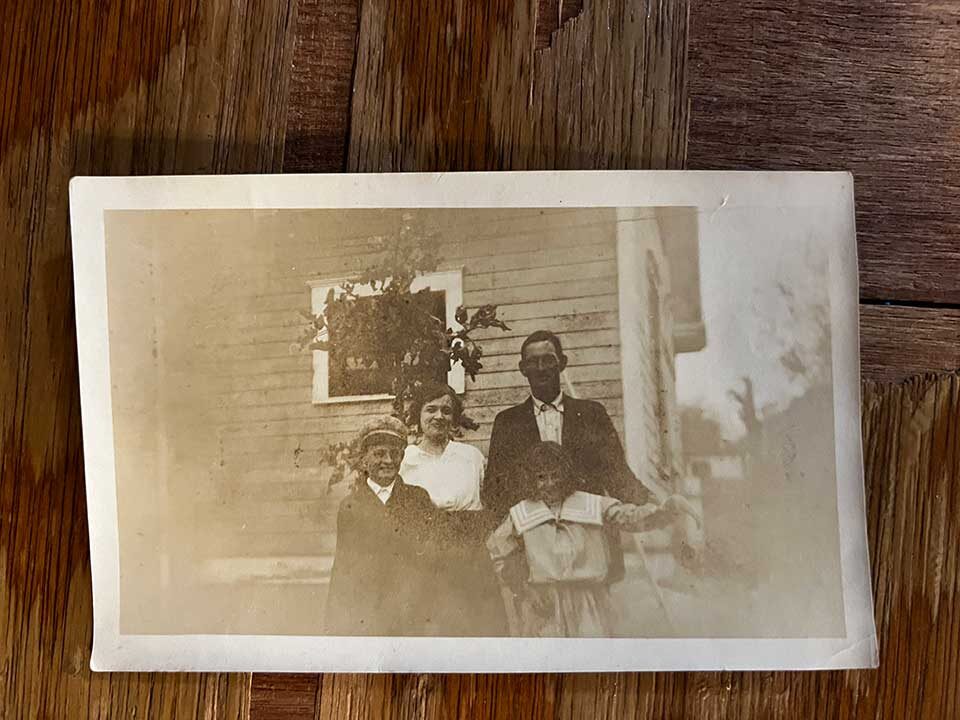
Swede Hill is one of East Austin’s oldest neighborhoods, with roots stretching back to the mid-1800s. Settled by Swedish immigrants alongside Black and working-class families, the area’s higher ground made it an early place to build just east of downtown. Landmarks like Oakwood Cemetery anchor the neighborhood’s history, standing as reminders of the people who shaped early Austin. Today, Swede Hill reflects the layered past and enduring character of the Eastside.
Holy Cross Historic District
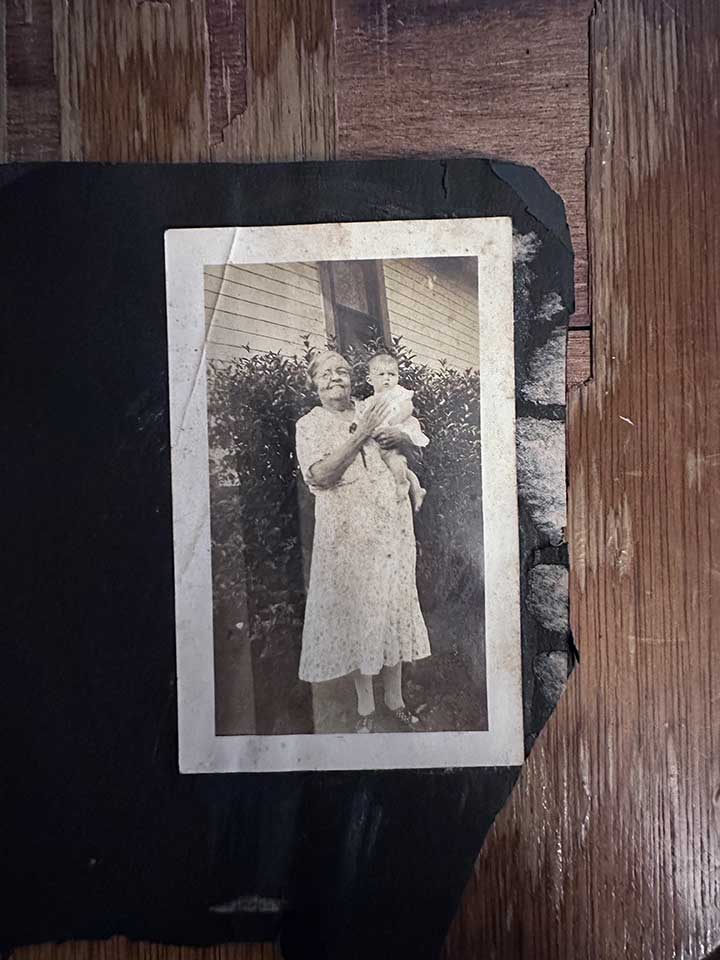
Tucked into Central East Austin, Holy Cross Historic District reflects the strength and spirit of a community built during the early to mid 1900s. Home to generations of Black families, churches, and civic leaders, the neighborhood took shape during segregation, when East Austin was one of the few places residents could put down roots. Modest homes, close streets, and deep connections define Holy Cross as an area that continues to anchor the cultural and historical fabric of the Eastside.