
An Encore for Commodore Perry Estate
” I relish the challenges of historic-typology projects, and it’s thrilling when ‘the plan comes together’ as it did here. A clear owner vision, strong design collaborators, and a skilled general contractor are the ingredients that turn a complex brief into a successful reality.”
Words by Christopher Ferguson, RA | Photos by Chase Daniel
Aided by a team of industry-leading specialists, Clayton Korte has guided an Austin landmark into its next century.
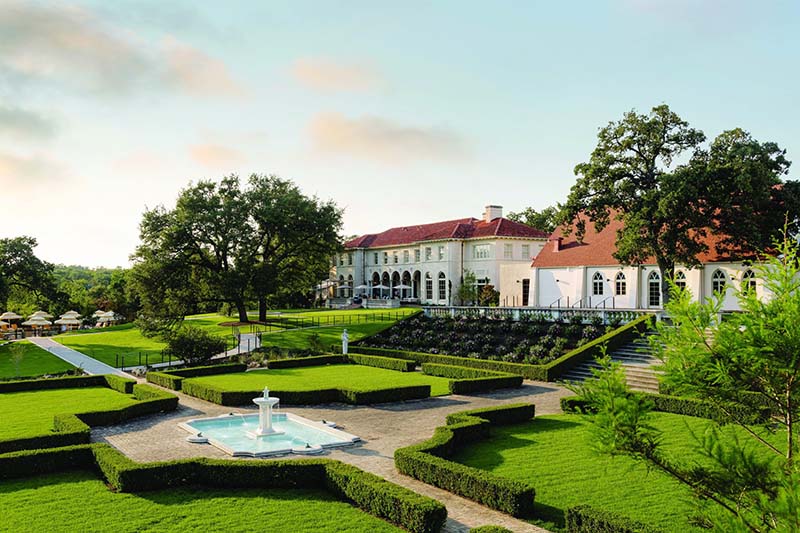
A few steps into the garden and the hum of Austin fades, as if in respect to the history of Commodore Perry Estate. Clipped boxwoods flank the grounds, which include a collection of outbuildings supporting an impressive 1928 villa that looks more Riviera than Hill
Country.
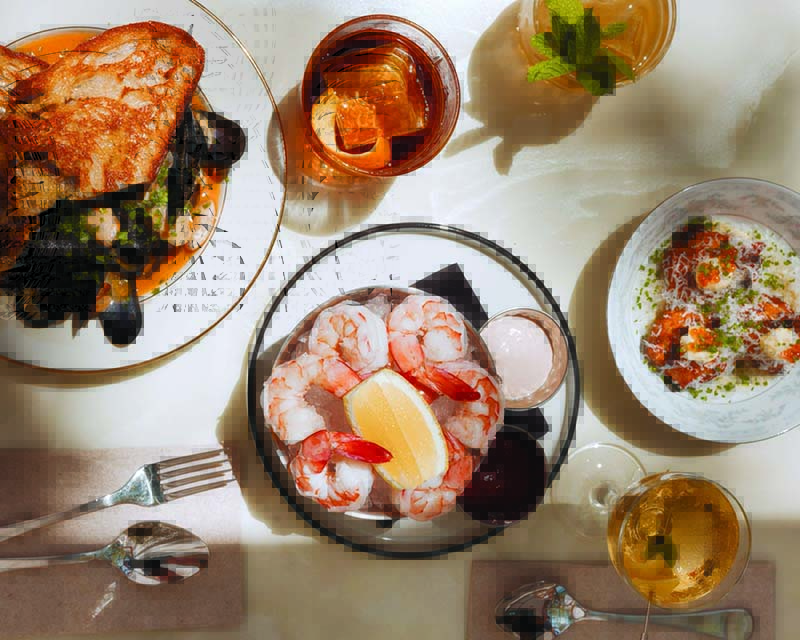
Sun-drenched common areas, thoughtful landscape designs, and timelessly rich interiors combine to make the property feel effortless, as if it’s always welcomed meandering guests for afternoon cocktails.
That ease is relatively recent. In 2017, the estate’s owners asked Austin-based Clayton Korte to lead a sensitive, yet expansive, renovation effort, joining a team of esteemed landscape architects, Ten Eyck, interior designer Ken Fulk, urbanist architecture firm Moule and Polyzoides, and general contractor Rogers-O’Brien. Together, the design team spent the next several years cultivating a sense of “relaxed European elegance [and] true gracious, Texas hospitality.”
“Much of our scope focused on the rehabilitation of the mansion and supporting buildings,” says principal architect Paul Clayton. “Like many historic properties, it needed a fair amount of attention to materials and assemblies that had fallen into disrepair.”
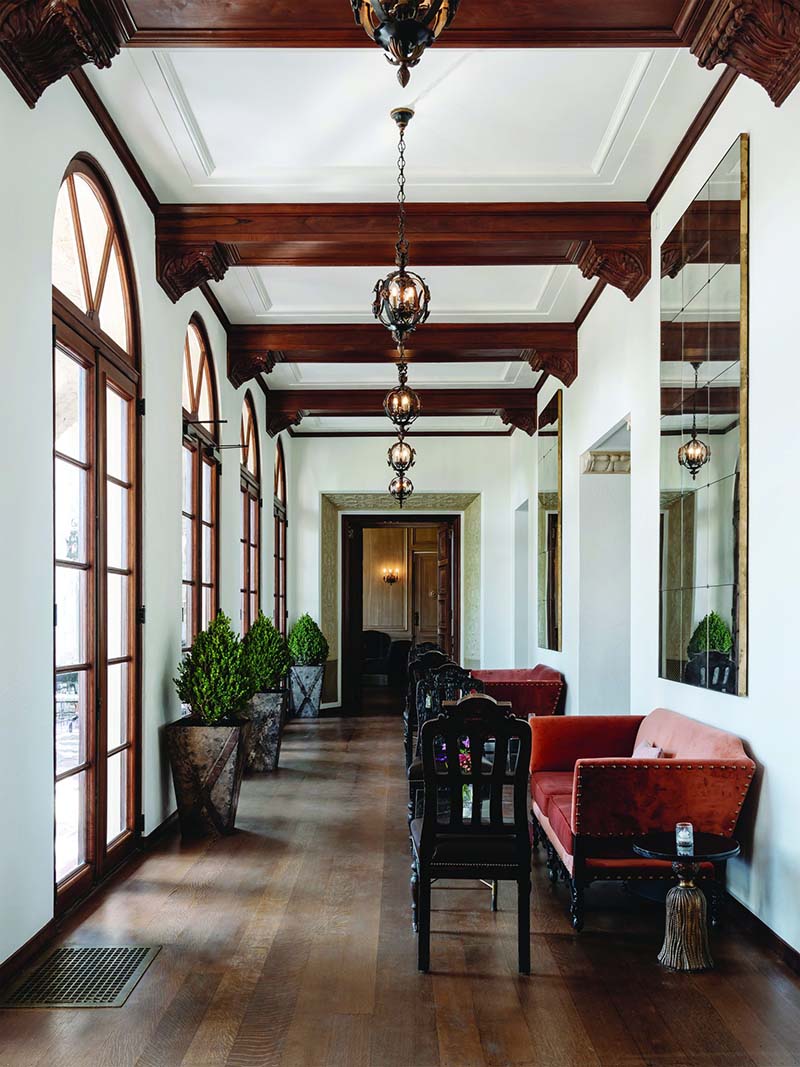
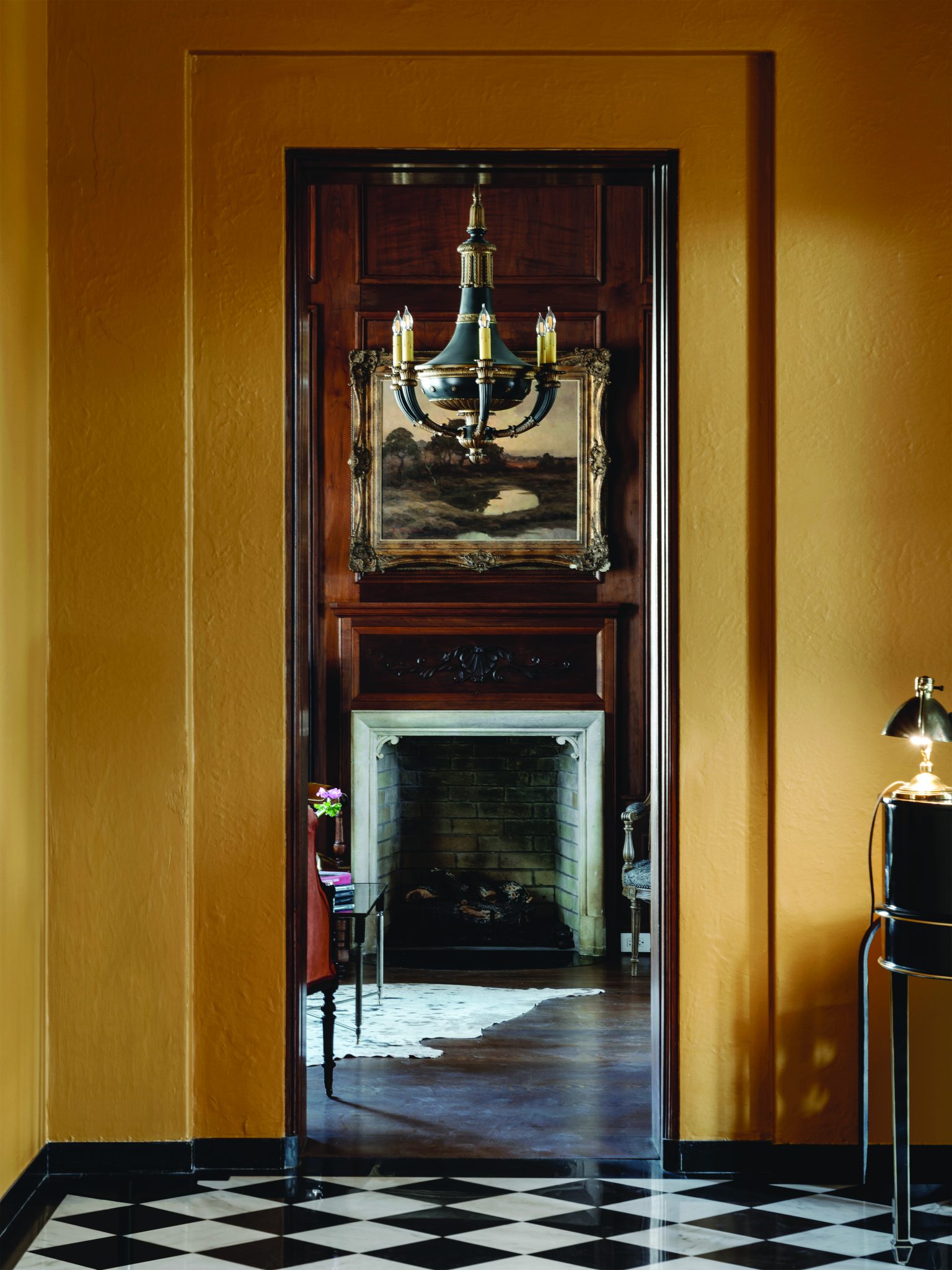
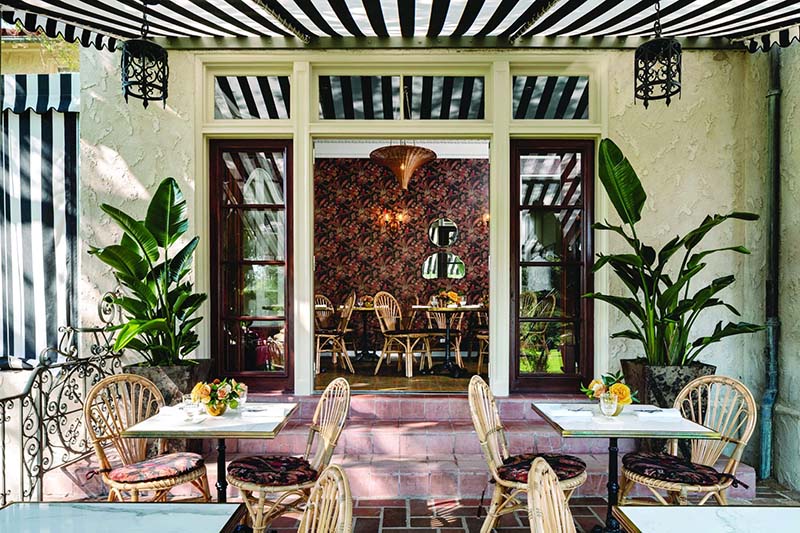
That scope included updates to the historic Perry Mansion, a nearby chapel, carriage house, and greenhouse, and Lutie’s, a new garden restaurant designed from the ground up.
Plan A Visit: Reservations for Lutie’s (the resort’s stunning restaurant) and day-access to the gardens and pool can be made with Auberge Resorts, the estate’s operator.
Noteworthy challenges included all new mechanical, electrical, and plumbing systems installed without disrupting the buildings’ original character. The same sensitivity applied to structural reinforcements that had to comply with city code and existing historic preservation requirements. A fully-equipped commercial kitchen now occupies the mansion’s basement, better serving events and aiding staff circulation. Even a discreet restroom wing was added to the chapel while keeping the historic design of its facade.
The interventions may be hard to spot, and that’s the point. “When these systems are integrated seamlessly, they disappear,” continues Paul, “but when they’re not, they can overshadow the project.”
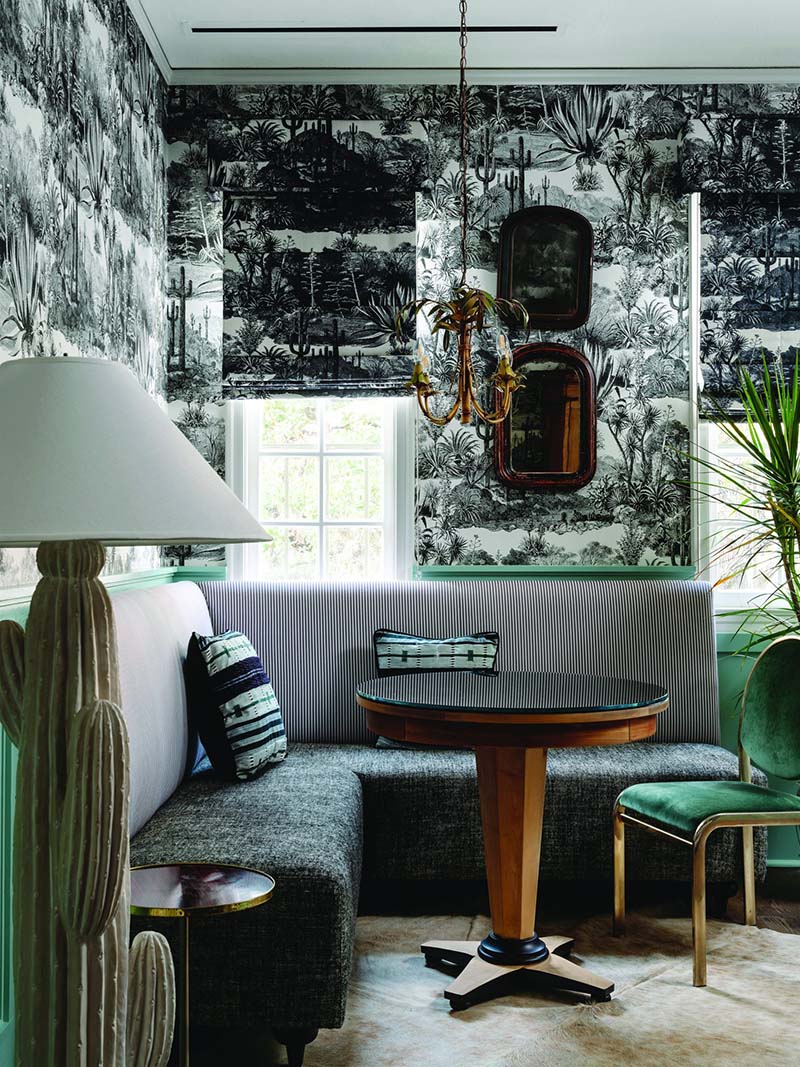
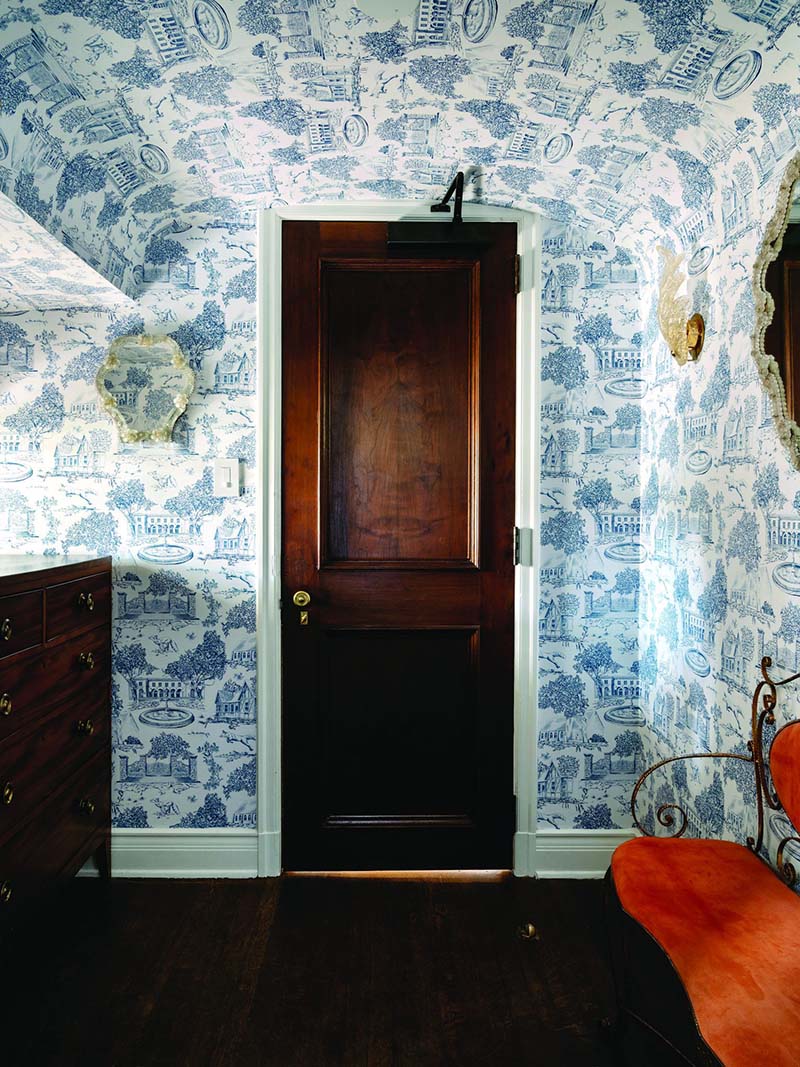
Today, the estate’s restored grandeur feels far from bygone, quietly propelling a jewel of Austin’s hospitality legacy into a new era.